
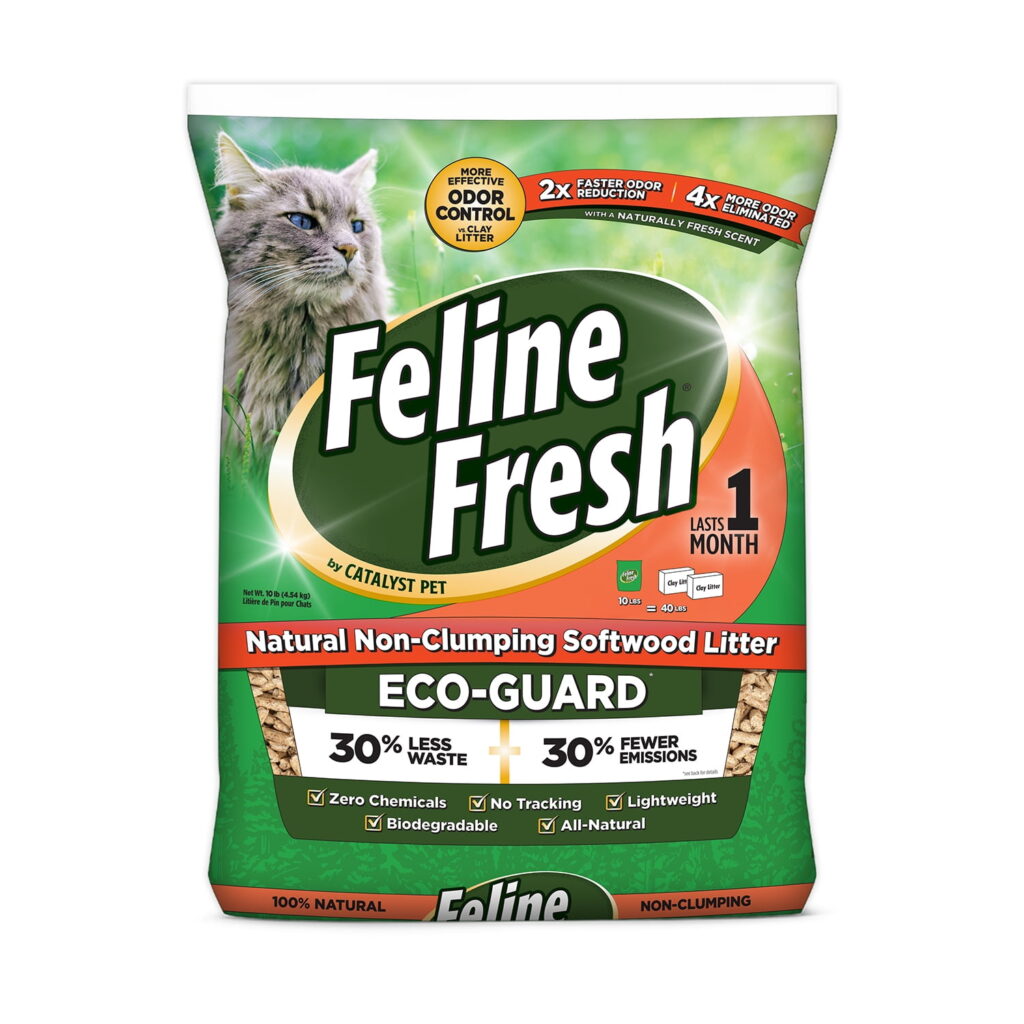
Pine pellet litter is a cat litter made from compressed pine sawdust. In the United States, many cat owners choose it because it is low in dust, has a mild wood scent, and can cost less than some clay litters. It does not form hard urine clumps. Instead, wet pellets break down into soft sawdust.
Pine pellets can work well for many cats, but they are not right for every cat or home. The best results depend on the pellet type, the litter box design, your cat’s habits, and how often you remove waste.
What Is Pine Pellet Litter?
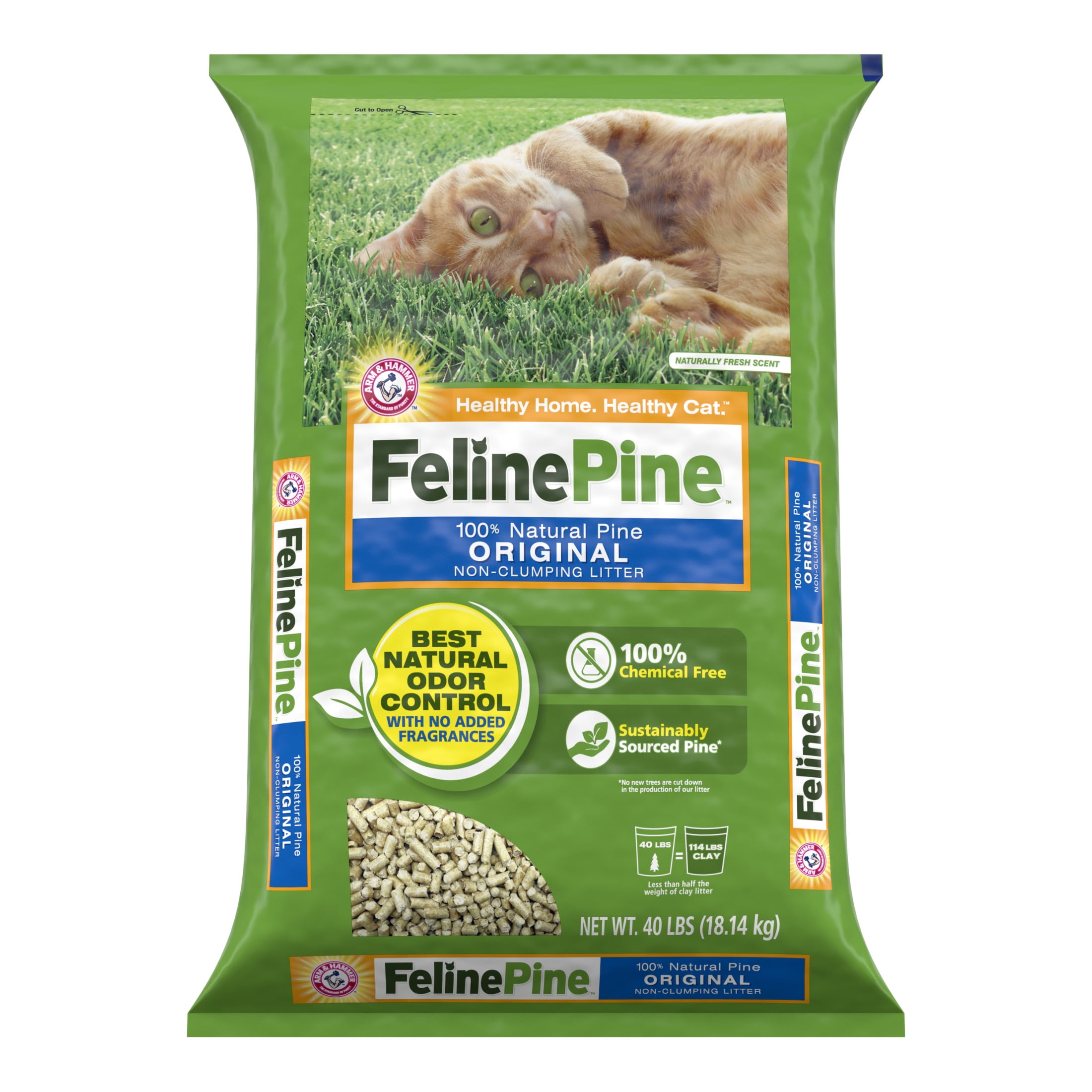
Pine pellet litter is made from dry pine wood that has been ground, heated, and pressed into small cylinders. The pressure binds the sawdust into pellets. When the pellets absorb liquid, they swell and fall apart.
Most cat-grade pine pellet litter contains untreated wood. Some products are made from recycled or reclaimed wood, so check the package before use. Avoid any product with added chemicals, oils, dyes, or strong fragrance.
Pine pellets are different from ordinary wood stove pellets. Heating pellets may contain binders, additives, or wood types that are not intended for animal use. A product labeled for cats or small animals is the safer choice.
How pine pellets work
Pine pellets handle moisture in three main ways:
- The dry pellet absorbs urine.
- The pellet expands and breaks into sawdust.
- The sawdust settles below or around the clean pellets.
The pellets do not remove urine from the box as a solid clump. This is why many owners use a sifting litter box, a tray system, or a regular box with a scoop.
Pine litter can control odor by trapping some moisture and masking it with a light wood smell. It does not stop odor on its own. A wet box, poor air flow, or too little litter can still smell.

Is Pine Pellet Litter Safe for Cats?
Pine pellet litter is generally considered a reasonable option for many healthy cats when it is made for animal use and kept clean. The key safety point is the processing. Choose pellets that are dry, untreated, and intended for cats or small pets.
Fresh pine contains natural aromatic compounds. These compounds can irritate some animals when exposure is high. Commercial animal bedding and litter may be heat-treated, but processing methods differ by brand. The package should state that the product is suitable for animal use.
Watch your cat during the first few days. Stop use and call a veterinarian if your cat develops:
- Coughing or wheezing
- Repeated sneezing
- Red or watery eyes
- Vomiting
- Skin irritation
- Loss of appetite
- Avoidance of the litter box
- Straining to urinate
A cat that strains, cries, or produces little or no urine needs urgent veterinary care. A blocked urinary tract can be life-threatening, especially in male cats.
Kittens, senior cats, and cats with health issues
Pine pellets are often too large and firm for very young kittens to use comfortably. Kittens may also chew or swallow litter. Ask your veterinarian which litter is suitable for a kitten that is still learning to use a box.
Older cats may have joint pain. Large pellets can feel less comfortable under sore paws. A low-entry box with a soft, familiar litter may work better.
Cats with asthma or other breathing problems may need a low-dust litter. Pine pellets often create less airborne dust than some clay litters, but no litter is completely dust-free. A veterinarian can help you choose a litter if your cat has a known respiratory condition.

Pine Pellet Litter vs. Clay and Other Litter Types
Pine pellets have a different cleaning method and feel than common clay litter. The best choice depends on what your cat accepts and what you can maintain each day.
| Litter type | Main strength | Main drawback | Cleaning method |
|---|---|---|---|
| Pine pellets | Low dust and simple ingredients | Does not make urine clumps | Remove solids and sift broken pellets |
| Clumping clay | Easy urine removal | Can create dust and tracking | Scoop urine clumps and feces |
| Non-clumping clay | Often widely available | Wet litter stays in the box | Remove wet areas often |
| Paper pellets | Soft and often low dust | May control odor less well | Remove wet paper and solids |
| Silica crystals | Strong moisture control | Some cats dislike the texture | Stir and remove waste |
| Grass or corn litter | Often softer and clumping | May track or create a food-like smell | Scoop clumps and solids |
Pine pellets may be a good fit if you want less tracking and do not mind a different cleaning routine. Clumping clay may be easier if you want to remove each urine spot with a scoop.
No litter type wins for every cat. Litter texture, box location, odor, and cleanliness often matter more to a cat than the material’s marketing claims.
How to Use Pine Pellet Litter in a Regular Box
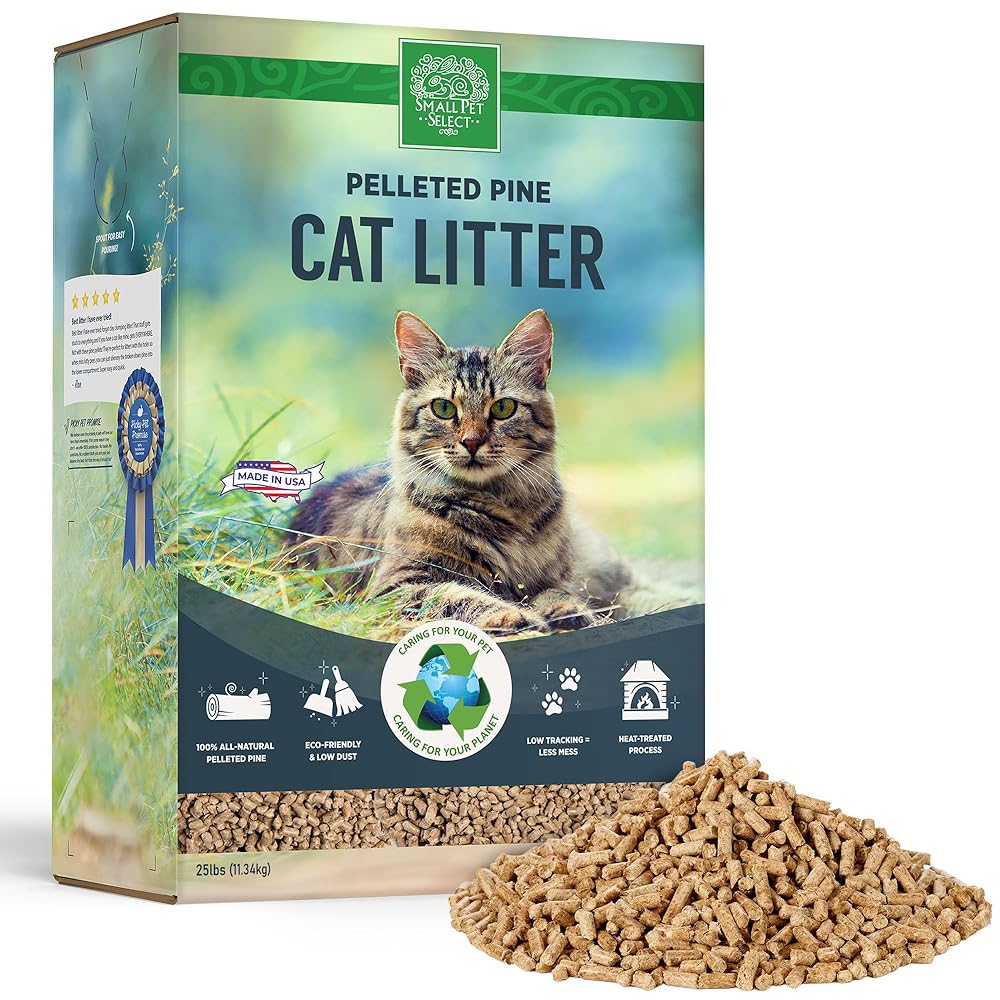
You can use pine pellets in a normal litter box, but a sifting box makes the process easier. Follow these steps.
1. Choose the right box
Use a box that gives your cat room to turn, dig, and cover waste. The box should be easy to enter and placed in a quiet area.
For a sifting system, use:
- A top tray with holes
- A bottom tray that catches sawdust
- Enough space for the cat to stand comfortably
The holes should let broken pellets fall through while keeping clean pellets on top.
2. Add a shallow layer
Start with about 1 to 2 inches of pellets. A deep layer can waste litter and may make it harder to see wet areas.
Spread the pellets across the box. Do not pack them down.
3. Add familiar litter during the change
If your cat uses clay or another litter, mix in a small amount of pine pellets. Increase the pine portion over several days if your cat accepts it.
Do not force a sudden change when you can avoid it. A cat that dislikes the new texture may begin to avoid the box.
4. Remove feces every day
Use a slotted scoop to remove feces and any wet pellets that remain on the surface. Place waste in a sealed trash bag.
If your cat has diarrhea, the box may need cleaning more often. Loose stool can spread over the pellets and create odor fast.
5. Sift the broken pellets
Shake the top tray over the lower tray when sawdust builds up. The clean pellets stay above, while the broken material falls below.
Sift as often as needed. Many homes need this step every few days, but the right schedule depends on the number of cats and boxes.
6. Empty the sawdust tray
Remove the sawdust before it becomes damp or smells strong. Wipe the lower tray if urine reaches it.
Replace the litter when the pellets look worn, the box smells after cleaning, or the material stays damp. The exact replacement rate depends on use.
7. Wash the box
Empty the box and wash it with warm water and mild, unscented soap. Rinse well and dry it before adding fresh pellets.
Avoid strong perfumes, bleach mixtures, and harsh cleaners around cats. Never mix bleach with ammonia or urine. Dangerous fumes can form.

How Much Pine Pellet Litter Do You Need?
Most homes can start with a 1- to 2-inch layer. The amount depends on the box size and pellet density.
A simple estimate is:
Litter needed = box floor area × litter depth
For a hypothetical box that is 18 inches by 24 inches with a 1.5-inch layer:
- Floor area: 18 × 24 = 432 square inches
- Volume: 432 × 1.5 = 648 cubic inches
- Convert that volume to the product’s listed weight or package size
This is only an estimate because pellet size and packing affect the final volume. Start with less rather than filling the box deeply. Add more if urine reaches the bottom or the cat cannot cover waste.
A home with one cat may use less litter than a home with several cats. More cats also mean more frequent sifting and box cleaning.
The basic box rule
The American Association of Feline Practitioners and other feline-care groups commonly support providing one litter box per cat, plus one extra. This is a useful starting point, not a strict rule for every home.
For example:
- One cat: two boxes can reduce odor and avoid missed use.
- Two cats: three boxes may reduce conflict.
- A large home: place boxes on more than one floor.
Spread the boxes out when possible. If all boxes sit side by side, many cats may treat them as one large toilet area.

How to Transition a Cat to Pine Pellets
A slow change usually works better than replacing the old litter all at once. Cats may reject a new litter because of its smell, shape, sound, or feel.
Try this method:
- Put a second box beside the current box.
- Fill the new box with pine pellets.
- Keep the old box unchanged for several days.
- If your cat uses the pellet box, continue offering both.
- Slowly reduce the old litter only after the new box is used with ease.
You can also mix a small amount of pine pellets into the old litter. Increase the amount every few days if your cat continues to use the box.
Do not punish accidents. Clean them with an enzymatic cleaner made for pet urine. Regular soap may remove the surface smell while leaving odor that guides the cat back to the same spot.
If your cat stops using the box, return to the last litter setup that worked. Then check for pain, stress, box location problems, or urinary disease. A sudden change in toilet habits can be a health warning.

Common Pine Pellet Litter Problems and Fixes
Pine pellet litter problems often come from box design, moisture, or a rushed transition. Use the symptom to guide the fix.
| Problem | Likely cause | Practical fix |
|---|---|---|
| Strong urine smell | Wet sawdust remains too long | Sift more often and empty the lower tray |
| Pellets stay wet | Too much litter, poor drainage, or a small box | Use a sifting tray or remove wet areas sooner |
| Pellets track outside the box | Cat carries pellets on its paws | Use a mat and place the box on a stable surface |
| Cat refuses the box | New texture, scent, or location | Offer the old litter and transition slowly |
| Dust appears | Broken pellets build up | Sift and remove sawdust before it spreads |
| Pellets scatter | The box is too small or shallow | Use a larger box with a suitable entry |
| Waste sticks to the bottom | The box lacks enough dry material | Clean the base and adjust the pellet layer |
| Odor returns soon after cleaning | Box, liner, floor, or walls hold urine | Wash the box and use an enzyme cleaner nearby |
Why the litter may smell like ammonia
Ammonia odor often means urine has stayed in the box too long or has soaked into a surface. It can also mean there are too few boxes for the number of cats.
Do not cover a strong urine smell with fragrance. Find and remove the wet material. Improve air flow, clean nearby surfaces, and consider a veterinary visit if your cat is urinating much more than usual.

How to Store Pine Pellets
Store unopened pine pellets in a dry place. Moisture can cause the pellets to swell before use.
Keep the bag:
- Off a damp basement floor
- Away from leaks and high humidity
- Closed after each use
- Out of reach of pets and children
Do not use pellets that are moldy, wet, chemically scented, or contaminated. Mold exposure can harm pets, and a damp bag may produce poor odor control.
A sealed storage bin can help, but let the pellets remain dry and clean. Label the bin so nobody mistakes cat litter for fuel or animal feed.

Can You Flush or Compost Pine Pellet Litter?
Do not flush pine pellet litter unless your local water utility and the product instructions clearly allow it. Even biodegradable litter can swell, clog pipes, or create problems in septic systems.
Cat feces may contain Toxoplasma gondii, a parasite that can harm some people and wildlife. Wastewater treatment and local disposal rules vary across the United States. Putting cat waste in the trash is the common household option, but follow your local rules.
Home composting is not automatically safe. Household compost piles may not reach the heat and conditions needed to control pathogens. Do not use compost made from cat feces on food gardens.
A safer disposal routine is:
- Scoop feces into a small bag.
- Seal the bag.
- Put it in the household trash according to local rules.
- Wash your hands after cleaning the box.
Pregnant people and people with weakened immune systems should ask a health professional about safe litter-box duties. If possible, another person should clean the box.

Advantages and Disadvantages of Pine Pellet Litter
Pine pellets offer practical benefits, but they also require a different routine.
Advantages
- Often produces little airborne dust compared with fine clay.
- Has a mild natural wood scent.
- Usually creates less fine tracking than granular litter.
- Uses a renewable wood byproduct when made from sawdust.
- Can work with a sifting box.
- May be economical when the box is managed well.
- Does not contain sodium bentonite clay.
Disadvantages
- Does not form urine clumps.
- Some cats dislike the hard, large texture.
- Broken pellets can become messy if not sifted.
- Odor control depends on frequent removal.
- Some products may contain fragrance or unclear ingredients.
- Pellets can be uncomfortable for cats with sore paws.
- Disposal still requires care because of cat feces.
The main trade-off is simple: pine pellets may reduce dust and tracking, but they ask you to manage moisture and sawdust in a new way.

How to Choose a Pine Pellet Litter
Read the package before buying. Look for a product that is clearly labeled for cats or small animals.
Check for:
- Untreated pine
- No added fragrance
- No dyes
- No chemical additives
- Clear ingredient information
- Low dust or dust-reduction details
- Pellet size your cat can tolerate
- Packaging that protects the product from moisture
Avoid relying only on terms such as “natural,” “organic,” or “eco-friendly.” Those terms do not tell you how the product was made or how it will perform in your box.
If a product does not state the wood type, intended use, or added ingredients, choose a product with clearer labeling.
A simple decision guide
Choose pine pellets when:
- Your cat accepts a firm pellet texture.
- You prefer low tracking.
- You can sift or remove wet material often.
- You want an unscented or lightly scented option.
- Your cat has no known reaction to wood-based litter.
Choose another type when:
- Your cat needs soft litter for painful paws.
- Your cat refuses pellets after a slow transition.
- You need easy urine clump removal.
- You cannot clean and sift the box often.
- Your veterinarian recommends a different litter for a health reason.

Key Takeaways
- Pine pellet litter is made from compressed pine sawdust.
- Wet pellets break apart instead of forming hard clumps.
- Use cat-grade pellets that are dry, untreated, and clearly labeled.
- A sifting box can make cleaning much easier.
- Remove feces daily and sift damp sawdust on a regular schedule.
- Transition slowly if your cat uses another litter.
- Never ignore straining, pain, blood, or sudden litter-box avoidance.
- Do not flush or home-compost cat litter without checking local guidance.
Frequently Asked Questions
Is pine pellet litter better than clay litter?
Neither is best for every cat. Pine pellets may create less fine dust and tracking, while clumping clay often makes urine removal easier. Your cat’s texture preference, health, and your cleaning routine should guide the choice.
Do pine pellets stop smelling?
They can reduce odor when used correctly, but they do not stop it completely. Remove feces daily, sift broken pellets, empty damp sawdust, and wash the box as needed.
Can cats use pine pellets without a sifting box?
Yes. A standard box can work, but you must remove broken, wet pellets by hand or with a scoop. A sifting tray usually makes the process faster and cleaner.
Are pine pellets safe for kittens?
They may not be the best choice for very young kittens because large pellets can be hard to use and may be swallowed. Ask a veterinarian about litter for kittens that are still learning box habits.
Can I use horse bedding pellets as cat litter?
Only use them if the package clearly states that they are untreated and safe for animal bedding, and if the manufacturer gives suitable use information. Do not assume that every wood pellet product is safe for cats.
How often should I replace pine pellet litter?
Replace it when the box smells, the pellets remain damp, the sawdust is difficult to remove, or the box surface is soiled. The schedule varies with box size, cat count, and how often you sift.
Conclusion
Pine pellet litter can be a practical choice for US cat owners who want a low-tracking, wood-based litter and can follow a regular sifting routine. Its main difference is that urine turns pellets into sawdust rather than a scoopable clump.
Start with cat-grade, unscented pellets. Offer a clean box, make the change slowly, and watch your cat’s response. If odor, mess, or box avoidance continues, return to the setup your cat used before and speak with a veterinarian when health problems may be involved.