
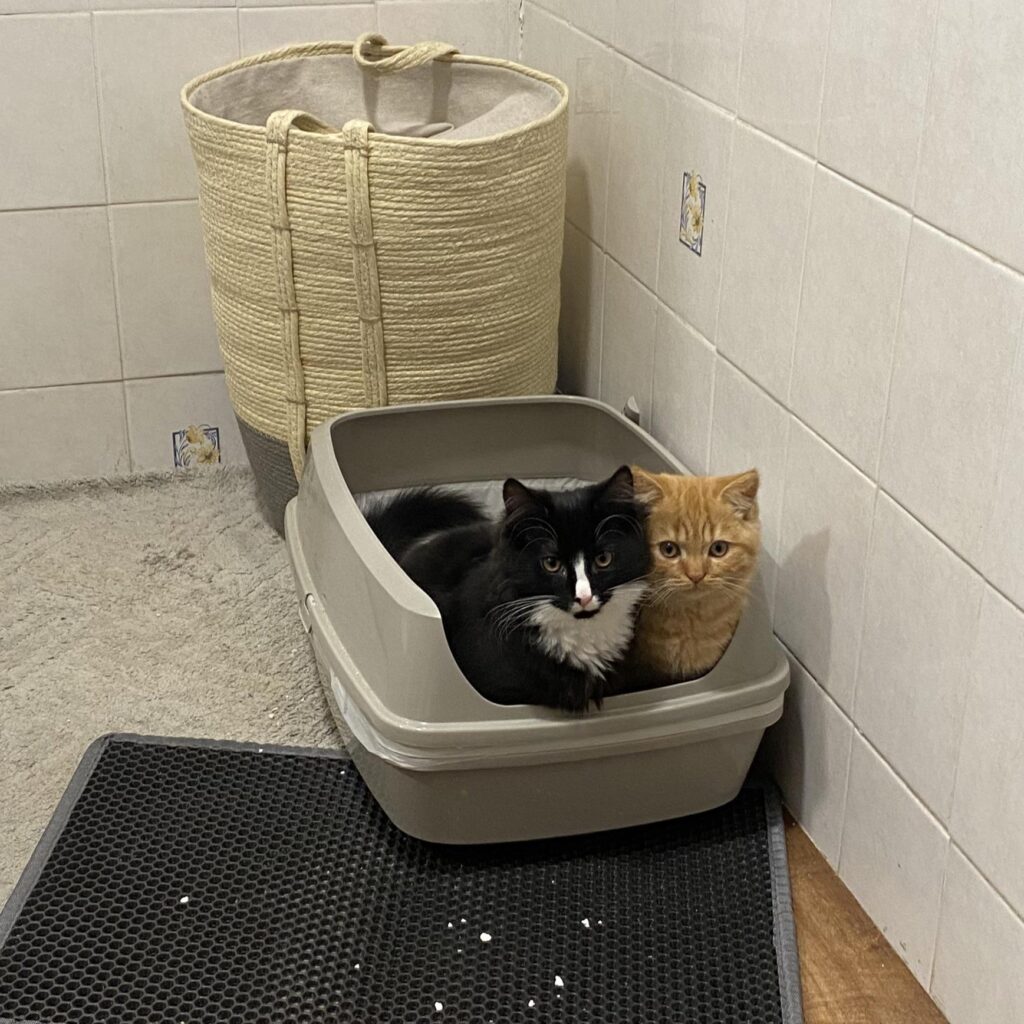
For two cats, the best starting point is three litter boxes. This follows the common “one box per cat, plus one extra” rule. Three boxes give each cat more choice and reduce the chance that one cat will block, guard, or avoid a shared box.
Two litter boxes may work in some homes. One box is often too risky, especially if the cats do not get along, one cat is older, or the box is hard to reach. Place the boxes in separate, quiet areas, not side by side.

The Best Number of Litter Boxes for 2 Cats
The ideal number for two cats is three litter boxes:
- One box for each cat
- One extra box as a backup
- Boxes placed in different parts of the home
The extra box matters because cats do not always want to share. A cat may avoid a box that smells strongly of another cat. One cat may also guard access to a box without obvious fighting.
The “one box per cat plus one” rule is a useful starting point, not a strict law. Some homes may work well with two boxes. Other homes may need four or more.
Quick guide
| Home or cat situation | Suggested number |
|---|---|
| Two healthy, friendly cats in a small home | 2 may work, but 3 is better |
| Standard home with two cats | 3 |
| Large home with several floors | 3, with boxes spread out |
| Cats that fight or avoid each other | 3 or more |
| One cat with urinary or bowel problems | 3 or more, with veterinary advice |
| Senior or disabled cat | 3 or more, with easy access |
| Frequent accidents outside the box | Add a box while you find the cause |
A box count alone cannot solve every litter problem. Cleanliness, box size, litter type, location, and stress also affect use.
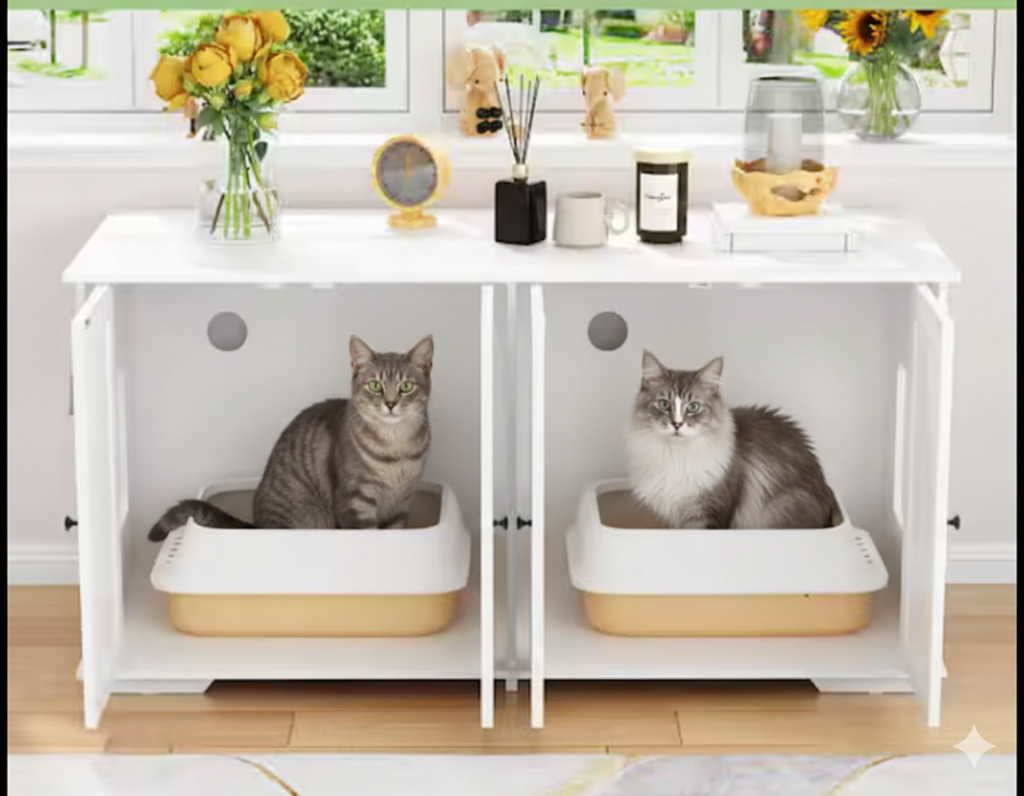
Why Two Cats Often Need Three Boxes
Cats may share space, but they do not always share resources well. A litter box is a private resource. If one cat feels unsafe near it, that cat may hold urine, use another area, or wait until the box is empty.
Separate boxes also reduce the effects of:
- Territorial tension
- Strong urine or feces odors
- Dirty litter
- Sudden changes in the home
- A cat blocking the path to the box
- Different preferences for litter or box style
A single box can become dirty soon when two cats use it. Some cats refuse a box after only one use. Others care less about cleanliness. You need to plan for the more sensitive cat.
Why boxes should not sit side by side
Two boxes placed next to each other may act like one large litter area from a cat’s point of view. The boxes share the same scent and may still be easy for one cat to guard.
If possible, place boxes in separate rooms or at least in separate parts of the home. This gives each cat another option if a person, dog, or other cat blocks the way.

How to Place 3 Litter Boxes in Your home
place the three boxes where your cats can reach them without crossing a stressful area. A good layout may include:
- One box in a quiet bathroom
- One box in a low-traffic room
- One box on another floor or at the opposite end of the home
Avoid placing all three in one room. Also avoid spots next to loud appliances, such as washers, dryers, or furnaces. Sudden noise can make a cat leave the box before finishing.
Follow these location rules
- Keep a clear path to every box.
- Do not put a box beside food or water.
- Avoid tight corners with only one way out.
- Keep boxes away from dogs that may bother the cats.
- Use a low-entry box for senior cats or cats with joint pain.
- Place at least one box on each floor your cats use.
- Do not hide a box where you cannot clean it often.
A cat may need to reach the box quickly. A long walk across the home can be a problem for a kitten, senior cat, or cat with bladder trouble.

Choose the Right Litter Box Size and Style
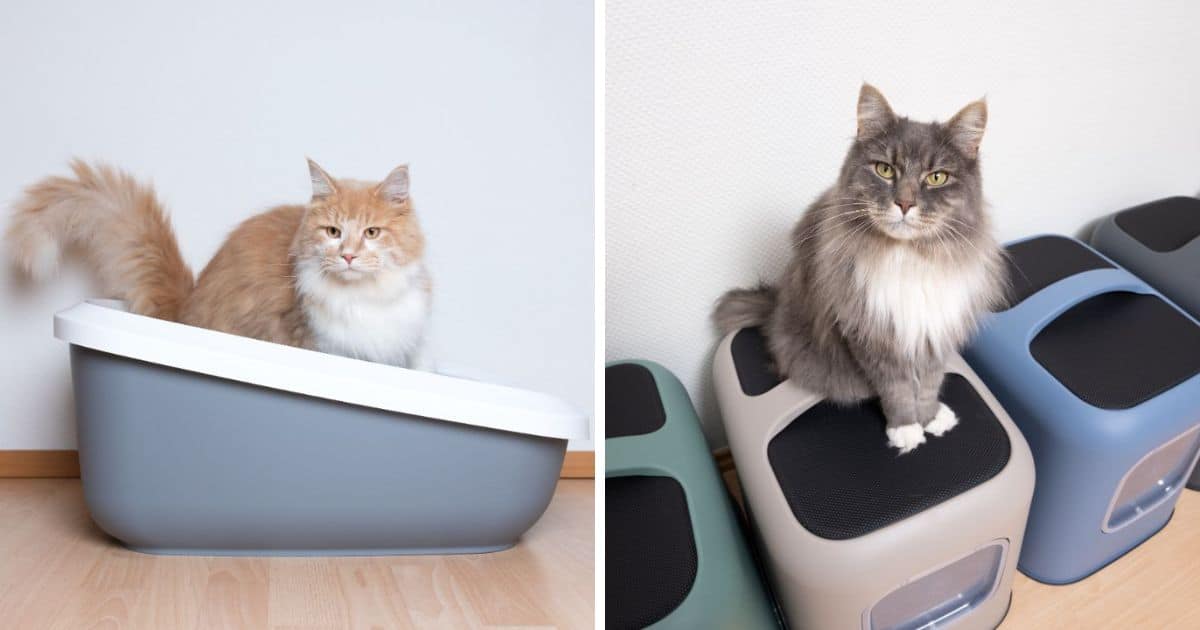
A litter box should be large enough for a cat to turn around, dig, and cover waste. As a practical guide, choose a box that is about one and a half times the length of the cat’s body, measured from the nose to the base of the tail.
Many store-bought boxes are too small for adult cats. Large plastic storage containers can work if they have safe sides and an entry that is easy to use.
Open or covered boxes?
Most cats can use either style, but open boxes make it easier to see and clean waste. They also offer better airflow.
Covered boxes may help control the view and spread of litter. However, some cats dislike the trapped odor or the enclosed space. A covered box can also hide a dirty condition from the person who cleans it.
If you use covered boxes, clean them often and watch whether both cats use them. Do not assume a cat likes an enclosed box just because it fits the room better.
High-sided or low-sided boxes?
High sides can reduce litter scatter and urine leaks. They may not suit kittens, older cats, or cats with arthritis.
A useful setup may include:
- One low-entry box
- One large open box
- One high-sided box if litter scatter is a problem
Offer choices when you are unsure. Your cats will show you which styles they prefer through consistent use.
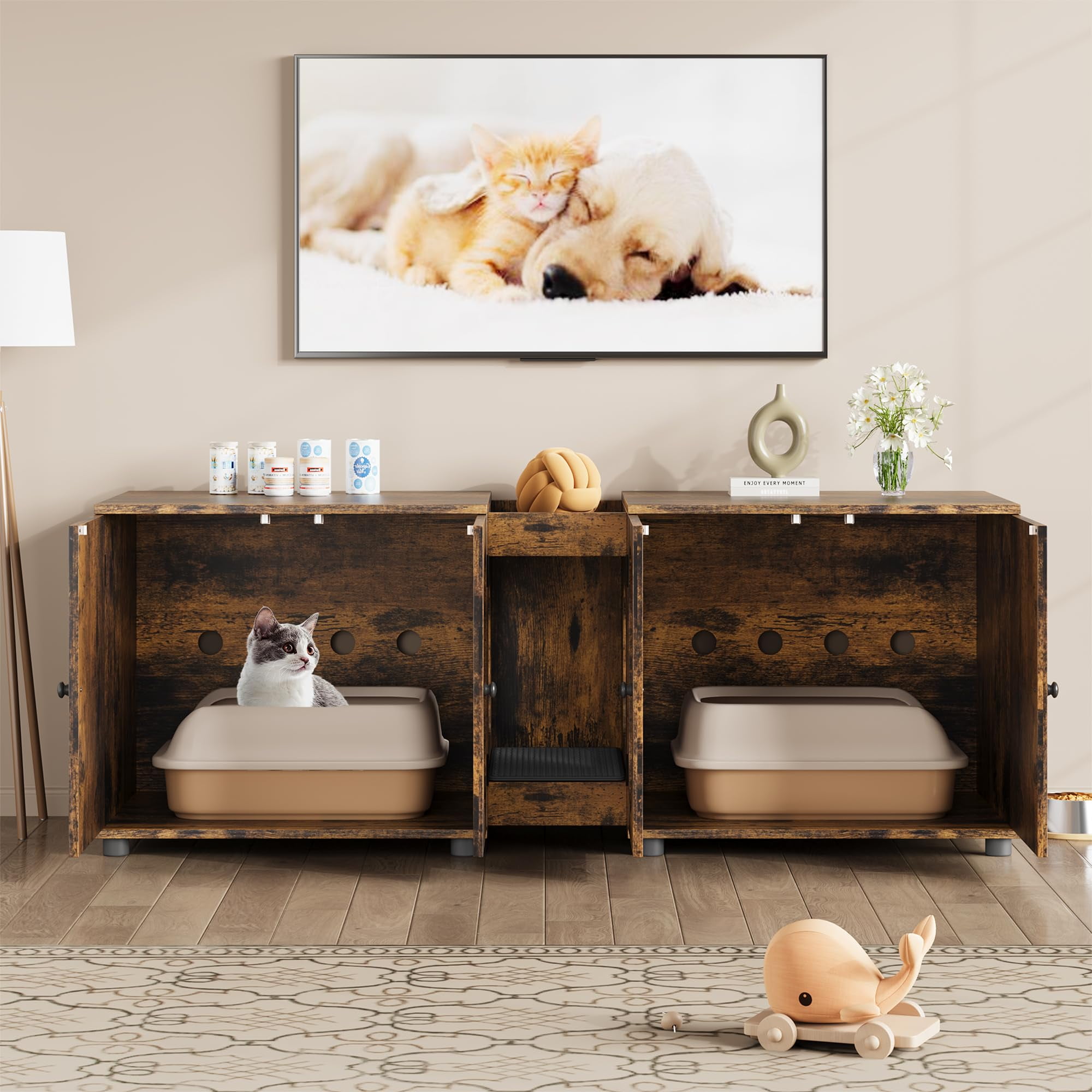
Use Litter That Both Cats Will Accept
Many cats prefer unscented, fine-grain clumping litter, but preferences vary. Strong perfumes can bother some cats. A sudden switch in texture or smell may lead to avoidance.
If you need to change litter, do it slowly:
- Add a small amount of the new litter to the old litter.
- Increase the new litter over several days.
- Keep one box with the old litter during the transition.
- Watch for digging, hesitation, or accidents.
- Stop or slow the change if a cat avoids the box.
Do not change every box at the same time when you can avoid it. Keeping one familiar option gives your cats a safe choice.
Avoid adding deodorizers, liners, or harsh cleaners unless your cats tolerate them. Wash boxes with mild soap and water. Rinse them well and let them dry before adding fresh litter.

How Often Should You Clean Litter Boxes for 2 Cats?
Scoop all three boxes at least once a day. Twice-daily scooping may work better when two cats use the boxes often or when one cat is very sensitive to waste.
A simple routine is:
- Scoop solid waste and urine clumps daily.
- Remove scattered litter from the floor.
- Add clean litter as needed.
- Wash the boxes when odor remains after scooping.
- Replace cracked or deeply scratched boxes.
The exact schedule depends on the litter type and how much your cats use each box. A box that smells clean to you may still smell strong to a cat.
Avoid placing all waste in a sealed indoor trash can for long periods. Urine and feces can create strong odors. Follow local rules for disposal, and wash your hands after cleaning.
What If You Do Not Have Room for 3 Boxes?
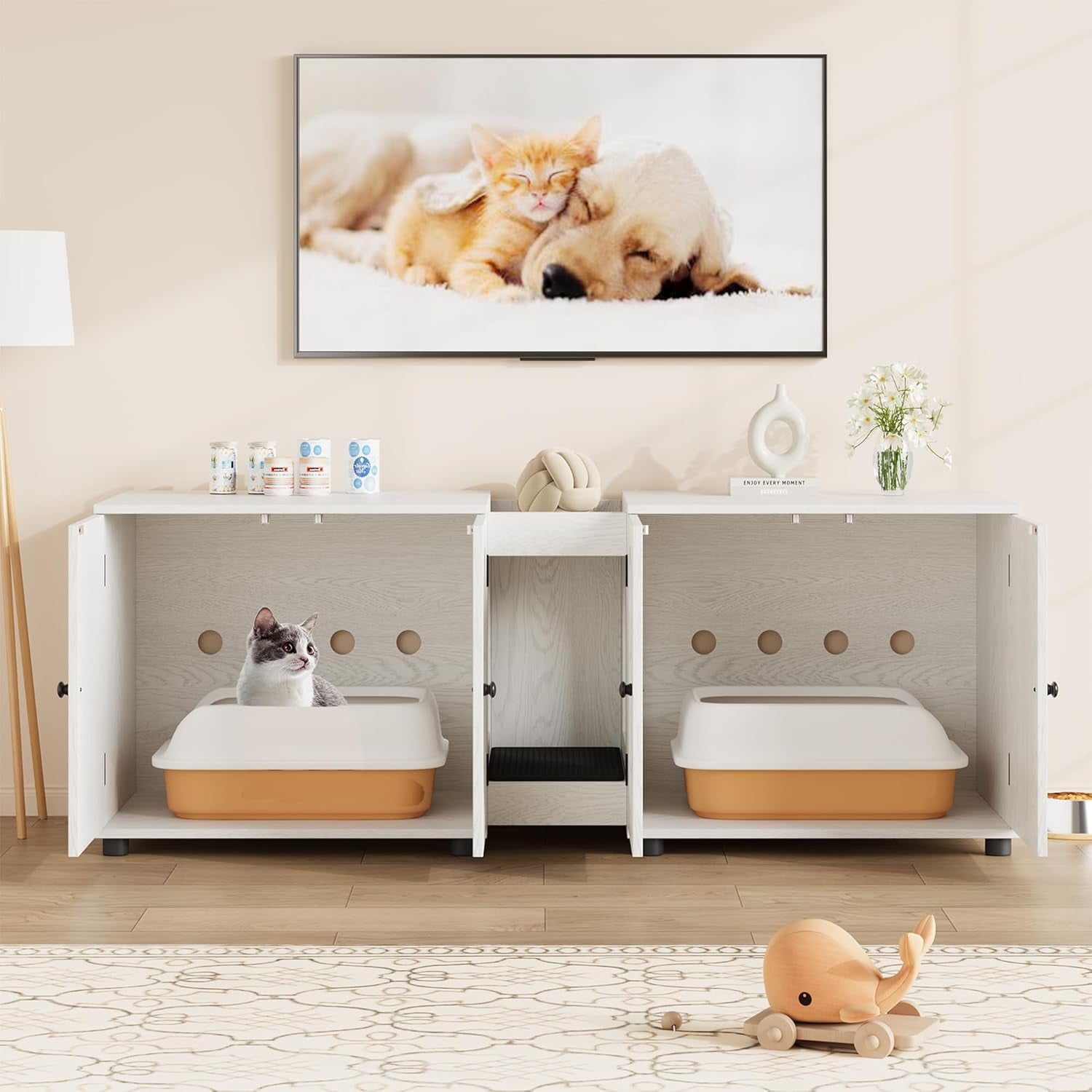
If three boxes do not fit, use at least two separate boxes and monitor your cats closely. Two boxes are safer than one because they reduce competition and provide a backup during cleaning.
Try space-saving options such as:
- A large box in a bathroom
- A low-entry box under an open shelf
- A box on each floor
- A storage-container box with a safe entry
- A box in a quiet utility area, away from loud machines
Do not place a box in a sealed closet unless the door stays open and the space has good airflow. Do not place it beside food, water, or a noisy appliance.
If accidents begin after reducing the number of boxes, add another box before trying new litter or punishment. The change may be a resource problem, not bad behavior.
Signs That You Need More Litter Boxes
You may need another box if you notice:
- Urine or feces outside the box
- One cat waiting near a box
- A cat running away when another cat enters
- Scratching near the box but not using it
- A cat using only one box while avoiding others
- Strong odor soon after cleaning
- Frequent squabbles near the box
- A cat choosing rugs, laundry, beds, or corners
Accidents can also result from illness. A cat that suddenly stops using the box needs attention, especially if the change is new.
Never punish a cat for an accident. Punishment can increase fear and may make the problem worse. Clean the area with an enzymatic cleaner made for pet stains so the odor does not draw the cat back.

When a Litter Box Problem Needs a Veterinarian
A sudden change in litter box use can signal a medical problem. Contact a veterinarian if your cat:
- Strains to urinate
- Makes repeated trips to the box
- Produces little or no urine
- Cries while urinating
- Has blood in the urine
- Licks the genital area often
- Has diarrhea or constipation
- Stops eating or seems weak
- Suddenly urinates outside the box
A male cat that strains and cannot pass urine needs emergency veterinary care. A urinary blockage can become life-threatening.
Stress, bladder disease, kidney disease, diabetes, constipation, pain, and mobility problems can all affect litter box habits. More boxes can help, but they cannot replace medical care.

A Simple Setup Plan for Two Cats
Use this plan when starting from scratch:
- Set up three boxes. Choose large boxes with easy access.
- Spread them out. Use separate rooms or different areas of the home.
- Choose familiar litter. Start with unscented litter unless your cats already prefer another type.
- Scoop daily. Increase cleaning if odor or avoidance develops.
- Watch each cat. Confirm that both cats use the boxes without guarding or conflict.
- Track accidents. Note the time, location, and type of waste.
- Call a veterinarian for sudden changes. Do not assume the issue is only behavioral.
Signs of success include regular use, no accidents, relaxed behavior near the boxes, and no competition between the cats.
Common Mistakes to Avoid
The most common mistake is treating the box count as the entire solution. Three small, dirty boxes in one noisy room may work worse than two large, clean boxes in separate areas.
Avoid these errors:
- Using one box for two cats
- Putting every box side by side
- Hiding a box in a hard-to-reach place
- Using strong fragrance to cover odor
- Changing litter suddenly
- Choosing a box that is too small
- Waiting several days between scooping
- Placing boxes beside food
- Punishing accidents
- Ignoring sudden changes in urination or bowel habits
The right setup balances cat preference, home layout, cleaning time, and health needs.

Key Takeaways
- Three litter boxes is the best starting point for two cats.
- Two boxes may work in a small, peaceful home, but monitor use closely.
- Place boxes in separate locations rather than side by side.
- Use large, easy-to-enter boxes and unscented litter when possible.
- Scoop at least once daily.
- Add a box if one cat guards access or accidents begin.
- Seek veterinary care for sudden litter box changes or trouble urinating.
Frequently Asked Questions
Is one litter box enough for two cats?
One box is not recommended for most homes with two cats. It can become dirty quickly and may create competition. If space limits you to one, scoop it often and watch closely for avoidance, conflict, odor, or accidents. Three boxes remain the better target.
Can two cats share the same litter box?
Yes. Some cats share without problems, especially when they live together peacefully. Sharing does not mean you should provide only one box. Extra boxes give each cat another option and reduce stress.
Should litter boxes be in different rooms?
Yes, when possible. Separate rooms reduce the chance that one cat will block access to all boxes. If separate rooms are not possible, use different parts of the home and keep clear paths to each box.
Do cats need separate litter boxes?
Cats do not always need one box that only they use. However, each cat should have access to more than one clean, safe option. If one cat guards boxes or the cats fight, increase the number and separate the locations.
What should I do if one cat refuses to use a new litter box?
Keep the old box available and place the new box nearby with familiar litter. Try a larger or open box, and avoid strong scents. If refusal continues or starts suddenly, check for stress and contact a veterinarian to rule out illness.
How many litter boxes do I need in a two-story home?
For two cats in a two-story home, three boxes are a good starting point. Place at least one box on each floor, then put the third box in the area where the cats spend the most time. A senior cat or a cat with mobility problems may need a box closer to its main resting area.
Conclusion
For two cats, plan for three litter boxes in separate, quiet locations. This setup gives both cats more choice, keeps waste from building up as fast, and lowers the chance of guarding or avoidance.
If three boxes are not possible, start with two large, clean boxes and monitor your cats every day. Add another box when problems appear, and contact a veterinarian for sudden changes, painful urination, straining, or repeated accidents.