

I know how quickly this happens. You’re cutting up fresh fruit, your dog gives you that hopeful look, and before you know it, you’re wondering, can dogs eat starfruit?
I have been there with my own dogs more times than I can count. One thing I learned early is that not every healthy food for people is safe for dogs. Some fruits are excellent treats. Others carry risks that are easy to overlook.
In this guide, you’ll learn whether can dogs eat starfruit is a safe question to answer with “yes,” what the risks are, which dogs face the biggest danger, and what fruits make much better treats instead.
Can Dogs Eat Starfruit?
The short answer is: it is best to avoid feeding starfruit to dogs.
While starfruit is not officially listed as highly toxic to healthy dogs, veterinarians generally recommend avoiding it because the fruit contains soluble oxalates, which may contribute to kidney problems in susceptible animals. Dogs with existing kidney disease are believed to face the greatest risk.
Even healthy dogs may experience stomach upset after eating starfruit.
Whenever there is uncertainty about a food’s safety, I prefer choosing one of the many fruits we already know are safe for dogs.
Pro Tip: When a fruit has questionable safety and there are plenty of safer options available, skip the risk altogether.
Why Is Starfruit Potentially Dangerous for Dogs?
Starfruit contains naturally occurring compounds that deserve attention.
1. Soluble Oxalates
Starfruit contains high levels of soluble oxalates.
These compounds may:
- Stress the kidneys
- Increase the risk of kidney injury in vulnerable animals
- Be especially dangerous for dogs with kidney disease
Human medicine has documented severe reactions to starfruit in people with kidney disorders. Veterinary research is more limited, but most veterinarians recommend using the same cautious approach for dogs.
While you should always consult your vet, avoiding starfruit is the safest choice.
2. Digestive Upset
Even if kidney problems never develop, many dogs simply don’t tolerate unfamiliar fruits well.
A dog that eats starfruit may experience:
- Vomiting
- Diarrhea
- Drooling
- Mild stomach pain
- Loss of appetite
I misunderstood this when I first started learning about dog nutrition. I assumed that if a fruit was healthy for people, it would automatically be healthy for dogs. That simply isn’t true.
3. High Natural Sugar
Like many tropical fruits, starfruit contains natural sugars.
While the amount isn’t extreme, sugary treats should remain occasional snacks.
Too much sugar can contribute to:
- Weight gain
- Digestive upset
- Blood sugar spikes in diabetic dogs
Which Dogs Are Most at Risk?
Some dogs face greater danger than others.
These include dogs with:
- Kidney disease
- Kidney failure
- Urinary problems
- Older age
- Diabetes
- Chronic health conditions
If your dog already has kidney disease, do not offer starfruit under any circumstances unless your veterinarian specifically approves it.
My Practical Rule for Feeding Fruit
Over time, I developed a simple habit.
When I discover a fruit with mixed opinions or limited research, I leave it off my dog’s menu.
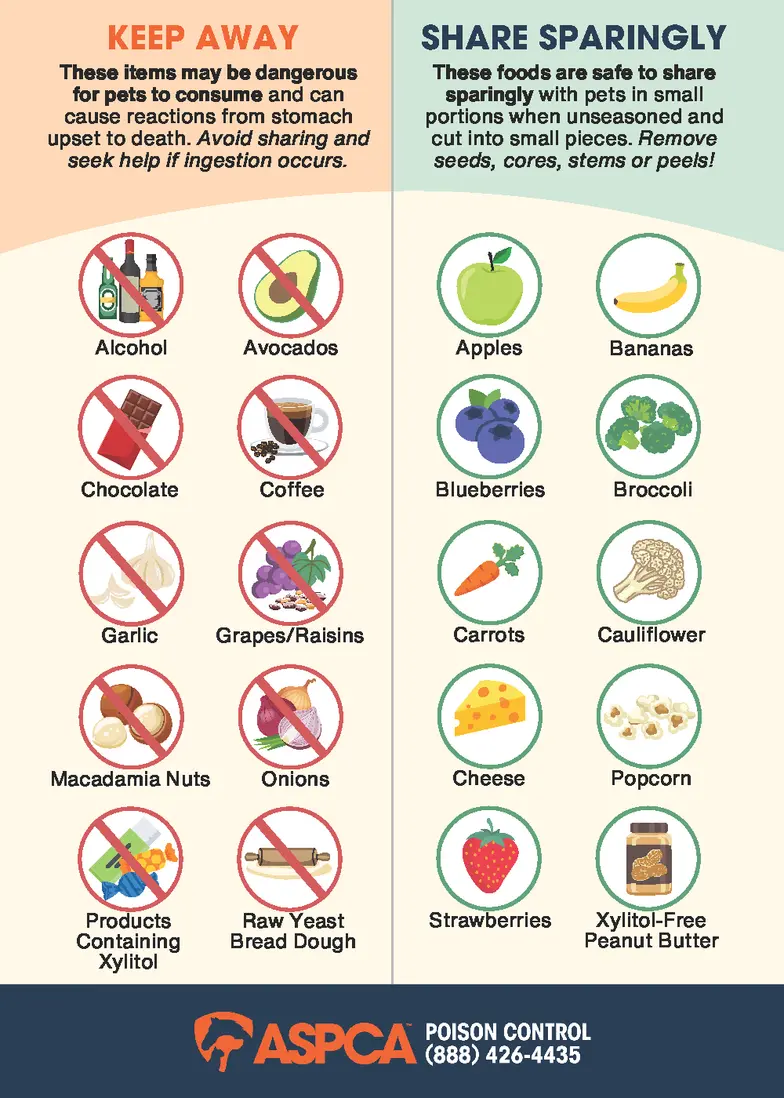
There are already dozens of fruits that are clearly considered safe, including apples, blueberries, bananas, strawberries, and watermelon.
That simple rule has saved me from a lot of unnecessary worry.
What Happens If Your Dog Eats Starfruit?
Don’t panic.
The amount eaten matters.
So does your dog’s size and overall health.
If your dog ate a tiny piece, they may never develop symptoms.
However, monitor them closely over the next 24 hours.
Watch for:
- Vomiting
- Diarrhea
- Weakness
- Excessive drooling
- Lethargy
- Refusing food
- Difficulty urinating
- Tremors (rare)
If your dog has kidney disease, contact your veterinarian immediately, even if they appear normal.
What Should You Do Right Away?
If your dog eats starfruit:
- Remove any remaining fruit.
- Estimate how much they ate.
- Check whether they also swallowed seeds or large pieces.
- Watch for symptoms.
- Call your veterinarian if:
- Your dog has kidney disease.
- They ate a large amount.
- They begin vomiting or acting unusually.
- You’re unsure about the risk.
Do not try to make your dog vomit unless your veterinarian specifically instructs you to.
Safer Fruits for Dogs
Fortunately, many fruits make excellent treats.
| Fruit | Safe? | Notes |
| Apples (without seeds) | ✅ Yes | High in fiber and vitamins |
| Blueberries | ✅ Yes | Rich in antioxidants |
| Bananas | ✅ Yes | Feed in moderation due to sugar |
| Watermelon (seedless) | ✅ Yes | Great hydration |
| Strawberries | ✅ Yes | Fresh occasional treat |
| Mango (without pit) | ✅ Yes | Remove skin and pit |
| Starfruit | ❌ Avoid | Potential kidney and digestive risks |
| Grapes | ❌ Never | Highly toxic |
Healthy Treat Ideas Instead of Starfruit
Instead of experimenting with uncertain fruits, I like using treats that are easy to portion and already considered dog-safe.
Helpful options include:
Fresh fruit snacks
- Apple slices
- Blueberries
- Banana pieces
- Watermelon cubes
Frozen treats
- Frozen blueberries
- Frozen watermelon cubes
- Plain frozen pumpkin puree
Fruits Dogs Should Never Eat
Some fruits are far more dangerous than starfruit.
Avoid these completely:
- Grapes
- Raisins
- Wild cherries
- Fruit pits from peaches, plums, and apricots
- Moldy fruit
- Large amounts of avocado flesh or pits
These foods can cause serious illness and should never be offered intentionally.
Common Mistakes Dog Owners Make
I’ve seen these mistakes happen often.
- Assuming every fruit is healthy for dogs.
- Giving too much fruit at once.
- Forgetting to remove seeds or pits.
- Offering fruit to dogs with kidney disease without asking a veterinarian.
- Waiting too long to call the vet after symptoms appear.
One frustration people rarely mention is that dogs often love sweet fruit so much they’ll beg for more. It’s easy to think, “One more piece won’t hurt.”
Keeping treats small helps prevent accidental overfeeding.
Expert Tip: Fruits should make up less than 10% of your dog’s daily calories. Most of their nutrition should still come from a complete and balanced dog food.
How to Introduce Any New Fruit Safely
Whenever you try a new dog-safe fruit:
- Wash it thoroughly.
- Remove seeds, pits, or stems.
- Cut into bite-sized pieces.
- Offer only one or two small bites.
- Watch for digestive upset over the next day.
- Gradually increase only if your dog tolerates it well.
Slow introductions help you spot food sensitivities before they become larger problems.
Frequently Asked Questions
Can dogs eat starfruit safely?
No, veterinarians generally recommend avoiding starfruit. It contains soluble oxalates that may pose kidney risks, especially for dogs with existing kidney disease, and it may also cause stomach upset.
Can puppies eat starfruit?
No. Puppies have sensitive digestive systems, and there is no benefit to feeding them starfruit. Choose safer fruits like blueberries or small apple slices instead.
What if my dog only ate one small bite?
A small bite may not cause problems in a healthy dog, but monitor for vomiting, diarrhea, lethargy, or unusual behavior over the next 24 hours. Contact your veterinarian if symptoms develop or if your dog has kidney disease.
Is cooked starfruit safer for dogs?
No. Cooking does not reliably remove the compounds that make starfruit a concern. Avoid feeding cooked or raw starfruit to dogs.
What fruits are safest for dogs?
Apples (without seeds), blueberries, strawberries, bananas, watermelon, and mango (without the pit) are among the safest fruits when fed in moderation as occasional treats.
Final Takeaways
If you’ve been asking can dogs eat starfruit, the safest answer is simple: don’t feed it to your dog.
The possible kidney risks, combined with the chance of digestive upset, outweigh any nutritional benefits the fruit might offer. Since there are many dog-safe fruits available, there is little reason to take the risk.
I have found that sticking to well-researched treats removes a lot of guesswork and gives me peace of mind every time snack time comes around.
Has your dog ever surprised you by stealing fruit from the kitchen? Share your experience in the comments—what safe treat has become your pup’s favorite?