

My panacea easy homemade bone broth for dogs
My Therapeutic Easy Homemade Bone Broth for Dogs
It was a chilly, rainy Tuesday morning at my veterinary clinic in Seattle when a sweet old Golden Retriever named Barnaby limped through my doors. His owner looked incredibly worried because winter always made the dog’s stiff joints flare up painfully. I smiled warmly and told her that we would use medicine, but we also needed to start simmering some liquid gold right in her kitchen. Adding an easy homemade bone broth for dogs to their daily bowl gives struggling joints a natural, nourishing boost.
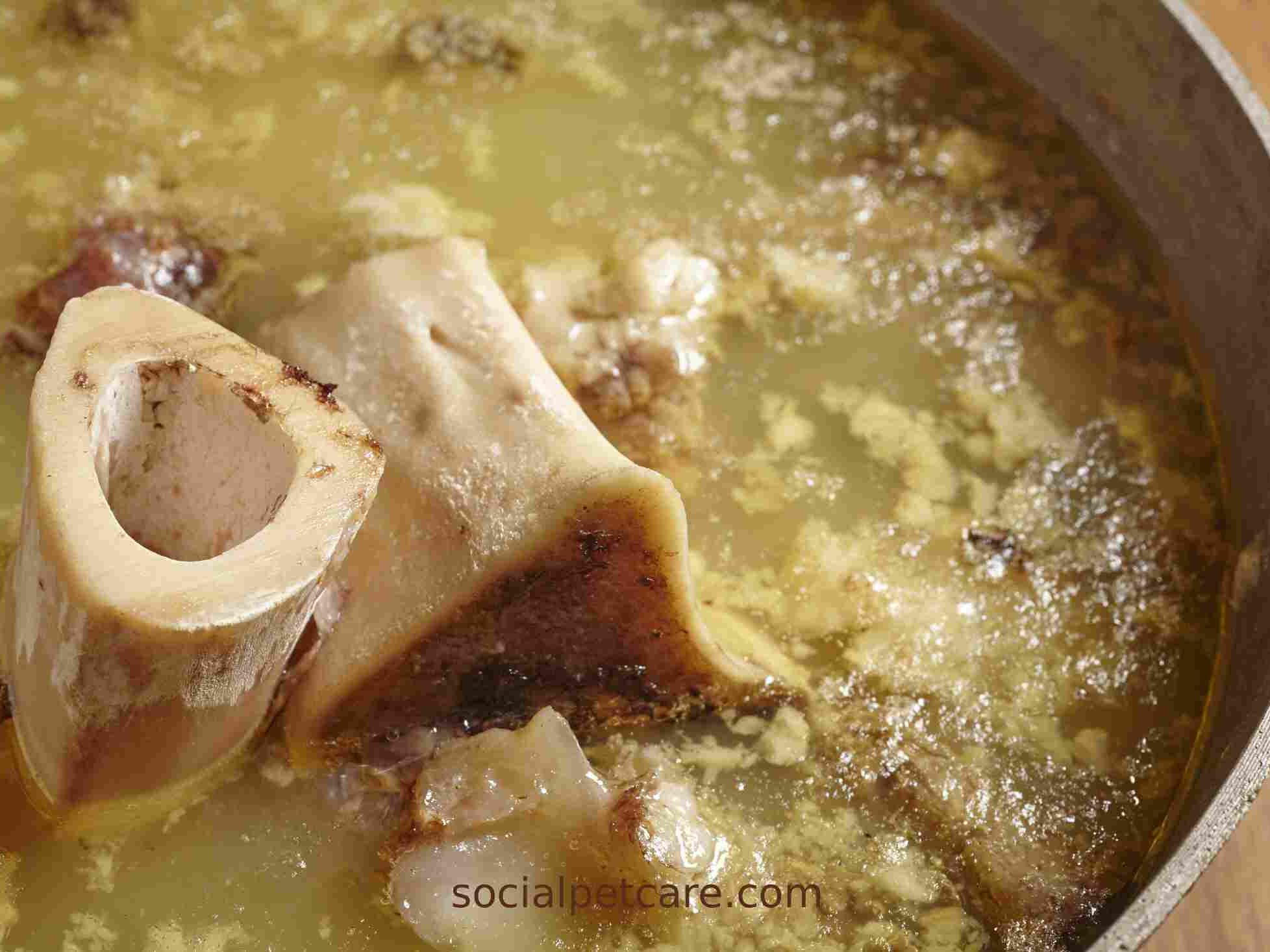
Quick Answer Box: Homemade bone broth is a nutrient-dense liquid made by simmering animal bones with apple cider vinegar in water for 24 to 48 hours. It provides a massive boost of collagen, glucosamine, and amino acids to support joint health and soothe sensitive canine digestion. Feed your dog one ounce of liquid broth per ten pounds of body weight daily as a healthy food topper.
H2: Key Takeaways For Pet Parents
- Bone broth acts as a natural joint supplement packed with collagen and digestible nutrients.
- Apple cider vinegar is a mandatory ingredient to pull essential minerals out of the bones.
- Cooked bones must never be fed to your dog because they can splinter and cause internal damage.
- Storing broth in standard ice cube trays makes portion control simple and convenient.
H2: Why This Liquid Gold Benefits Your Dog
As a veterinarian with fifteen years of experience, I see pets dealing with joint pain and low appetite every single day. Many owners spend hundreds of dollars on synthetic supplements when the best solution is waiting in a simple stockpot. This traditional remedy works wonders for aging canines, sick puppies, and picky eaters alike.
H3: Joint Care and Hydration Support
The primary reason I recommend this recipe is for superior joint care for dogs of all ages. Simmering bones releases glycosaminoglycans (natural joint-protecting compounds that rebuild cartilage). These compounds help keep your furry friend moving smoothly during cold winter months.
Furthermore, hydration is a massive struggle for sick or elderly pets recovering from veterinary surgery. This moisture-rich topper encourages dogs to empty their water bowls while delivering vital electrolytes directly to their systems. It acts as a comforting, savory hydration strategy that tastes like a gourmet treat.
| Feature Summary | Store-Bought Broth | Homemade Dog Broth |
| Sodium Levels | High and dangerous | Zero added salt |
| Toxic Ingredients | Often contains onions | One hundred percent safe |
| Collagen Quality | Low or processed | High and gelatinous |
| Cost Per Ounce | Expensive retail price | Very cheap to make |
H2: Step-by-Step Easy Homemade Bone Broth for Dogs Recipe
Preparing this recipe will fill your entire home with a rich, comforting aroma that will make your dog dance around the kitchen. You do not need any advanced culinary skills to master this simple veterinary favorite. Let us look at the exact steps required to brew a perfect batch for your companion.
1.Gather Your Safe Ingredients:10 minutes.
Collect three pounds of raw beef marrow bones or chicken bones from your local butcher shop. Grab two tablespoons of raw apple cider vinegar and enough filtered water to completely submerge the bones by two inches.
2.Load the Cooker and Add Acid:5 minutes.
Place all the raw bones into your slow cooker or a large stainless steel stockpot. Pour the apple cider vinegar directly over the bones and let them sit for twenty minutes to start breaking down the minerals.
3.Simmer Low and Slow:24 to 48 hours.
Fill the pot with water and turn the heat to low on your appliance. Let the mixture simmer gently for twenty-four hours for chicken bones, or up to forty-eight hours for dense beef marrow bones.
4.Strain and Remove All Bones:15 minutes.
Turn off the heat and use a fine mesh strainer to remove every single piece of bone from the liquid. Throw the cooked bones away securely in an outside trash can where your dog cannot steal them.
5.Cool and Skim the Fat:4 hours.
Place the strained liquid into your refrigerator until a thick layer of hard white fat forms on top. Use a large spoon to scrape away this greasy top layer because excessive fat can cause painful stomach inflammation.
H2: Essential Nutrition Advice and Toxic Foods to Avoid
While making this supplement is simple, you must remain vigilant about what enters the stockpot. Human recipes often call for onions, garlic, and heavy pinches of salt to enhance the flavor. However, onions and garlic destroy canine red blood cells and cause severe anemia (a dangerous drop in red blood cell count) over time.
Stick strictly to plain bones, water, and apple cider vinegar for the safety of your pet. You can optionally add a few organic carrots or celery stalks during the final four hours of cooking for an extra antioxidant boost. Never add spices, bouillon cubes, or processed soup mixes from your pantry.
H3: Portion Guidance and Feeding Schedules
Introducing a new healthy dog supplements option requires a slow and steady approach to prevent tummy troubles. I recommend starting with just one tablespoon mixed into their regular evening kibble. If their stool remains firm after three days, you can safely transition to a full daily dose.
The general rule of thumb is feeding one ounce of broth for every ten pounds of body weight. For example, a small ten-pound Terrier needs one ounce daily, while an eighty-pound Labrador can enjoy a full cup. You can split this amount between breakfast and dinner to keep them excited about every meal.
H2: Common Mistakes Pet Parents Make with Bone Broth
During my years in veterinary medicine, I have seen well-meaning owners make critical errors that landed them in my emergency clinic. The most dangerous mistake is letting your dog chew on the soft bones after cooking. Boiling makes animal bones brittle, meaning they will splinter easily and tear the lining of the stomach or throat.
Another frequent blunder is skipping the fat-skimming step after refrigeration. Leaving that thick layer of white grease in the broth delivers a massive dose of lipids to your dog. This can trigger acute pancreatitis (a severe and highly painful swelling of the pancreas) that requires immediate hospitalization.
H3: Expert Veterinary Care Tips
- Freeze the finished broth in silicone ice cube trays for perfect pre-measured daily portions during hot summer months.
- Look for a firm, jelly-like jiggle when the broth is cold, which proves your liquid is packed with high-quality collagen.
- Use turkey bones after Thanksgiving to create a comforting seasonal wellness treat that reduces holiday digestive upset.
H2: Using Broth for Positive Behavior and Training Success
Food is a powerful tool for animal behavior modification and positive reinforcement training. If you are working with an anxious puppy or a hyperactive rescue dog, broth can become your secret weapon. Pouring the liquid into a rubber toy and freezing it creates a long-lasting, calming puzzle.
Licking releases soothing hormones in a dog’s brain, which helps reduce separation anxiety during your work hours. This healthy distraction keeps their minds occupied while providing a delicious reward for staying quiet in their crates. It turns a stressful afternoon into a relaxing, productive sensory experience.
H2: Final Thoughts on Easy Homemade Bone Broth for Dogs
Providing the best care for your canine companion does not have to involve expensive store-bought items or complicated procedures. Whipping up a batch of easy homemade bone broth for dogs is a beautiful way to show love while supporting their health. Your dog will thank you with a wagging tail and a cleanly licked bowl at every single mealtime.
This article is for informational purposes only and should not replace professional veterinary advice.
H2: Frequently Asked Questions About Dog Bone Broth
H3: Can I use pork bones for making dog broth?
I generally advise against using pork bones because they tend to have a much higher fat content than beef or poultry bones. This extra grease increases the risk of digestive upset or dangerous pancreatic inflammation. Stick to beef marrow bones or chicken frames for the safest results.
H3: How long does fresh homemade broth last in the refrigerator?
Your freshly brewed broth will stay safe and nutritious for up to five days when stored in an airtight glass container. If you make a large batch, you should transfer the extra liquid into the freezer immediately. Frozen broth remains perfectly fresh for up to six months.
H3: Why did my bone broth turn out watery instead of like jelly?
A watery consistency usually means you did not simmer the bones long enough or you used too much water. It can also happen if you forgot to add the apple cider vinegar, which is necessary to extract collagen. The liquid is still perfectly safe and healthy to feed your dog.
H3: Can puppies safely consume homemade bone broth?
Yes, puppies can absolutely enjoy this nutritious liquid once they are fully weaned onto solid food. It provides excellent structural support for their rapidly growing bones and developing immune systems. Start with tiny half-tablespoon portions to ensure their sensitive bellies tolerate it well.
H3: Is it safe to buy commercial bone broth made for humans?
You should avoid human bone broth because it almost always contains hidden onions, garlic, and high sodium levels. These ingredients are toxic to canines and can cause severe medical complications. Always stick to pet-safe commercial brands or cook your own at home.
H3: What should I do if my dog gets diarrhea after drinking broth?
If your pet experiences loose stools, stop feeding the broth immediately and let their digestive system rest. This reaction usually happens when the broth is introduced too quickly or if the fat was not properly skimmed off. Consult your veterinarian if the diarrhea continues for more than twenty-four hours.
H3: Can I use a pressure cooker to speed up the process?
A pressure cooker or pressure pot is a fantastic tool that reduces the cooking time significantly. You can achieve a wonderful, collagen-rich broth in just four to six hours on high pressure settings. Always allow the cooker to depressurize naturally before straining the hot liquid.
H3: Can dogs with kidney disease drink bone broth?
Bone broth is rich in phosphorus, which means it may not be suitable for pets with advanced kidney disease. You must always consult your primary veterinarian before adding any new supplements to a medically managed diet. They can help you determine a safe portion size based on recent bloodwork.