
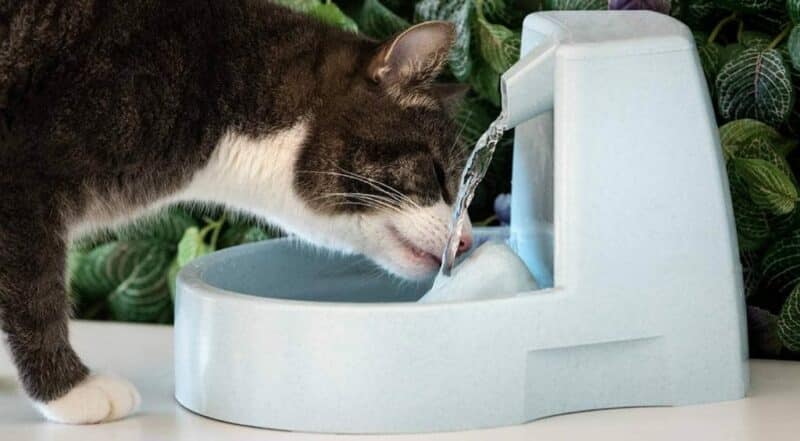
For many cats in the United States, moving water is more appealing than still water. A stream-like flow may feel fresher, attract a cat’s attention, and reduce contact with dust or debris. However, not every cat prefers a fountain. Some cats favor a quiet bowl, while others may ignore both if they feel unwell.
The best choice is the one your cat uses often and safely. Offer clean water in more than one form, watch your cat’s habits, and never assume a fountain alone will fix low water intake.
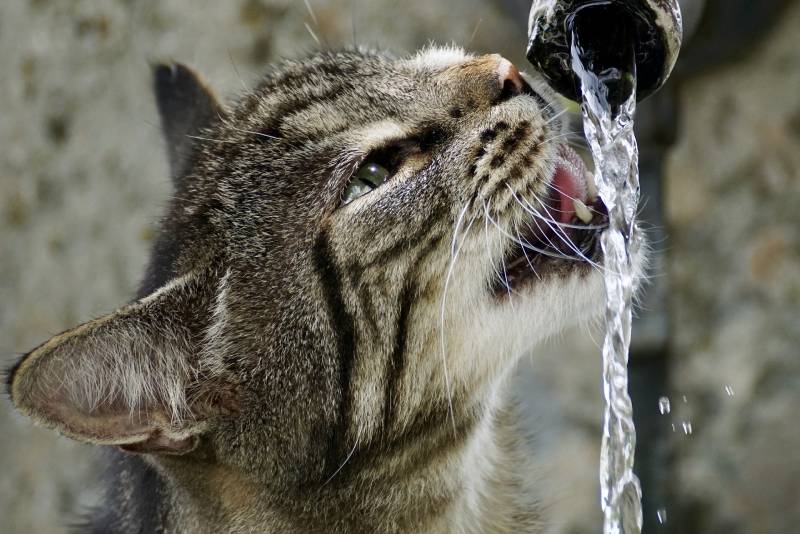
Why Do Some Cats Prefer Running Water?
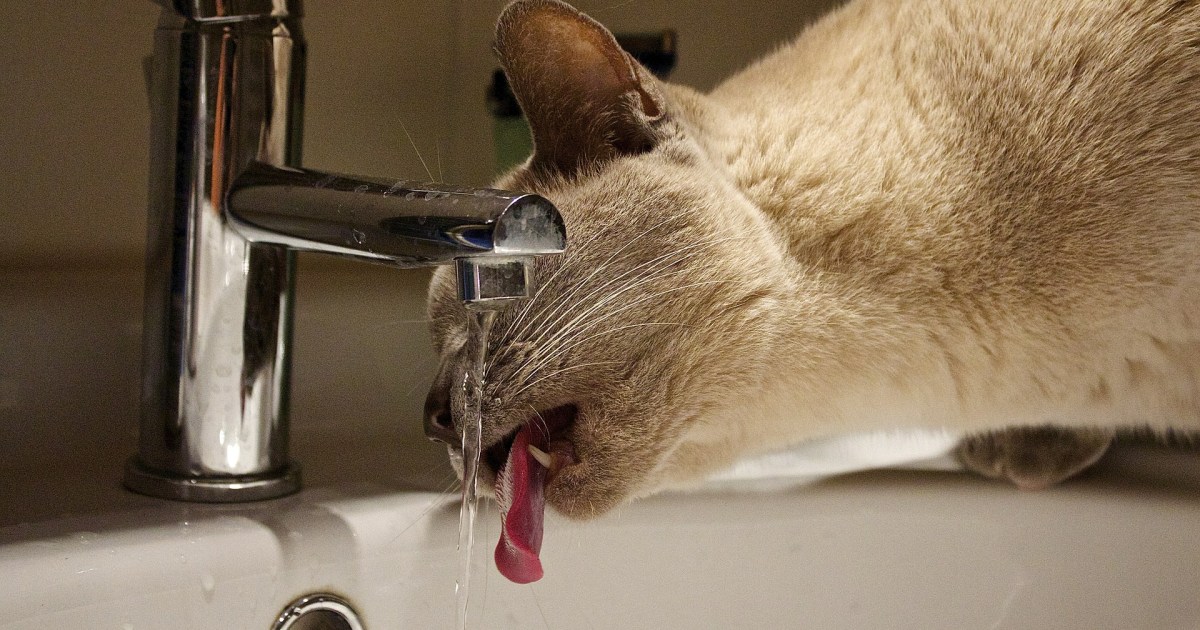
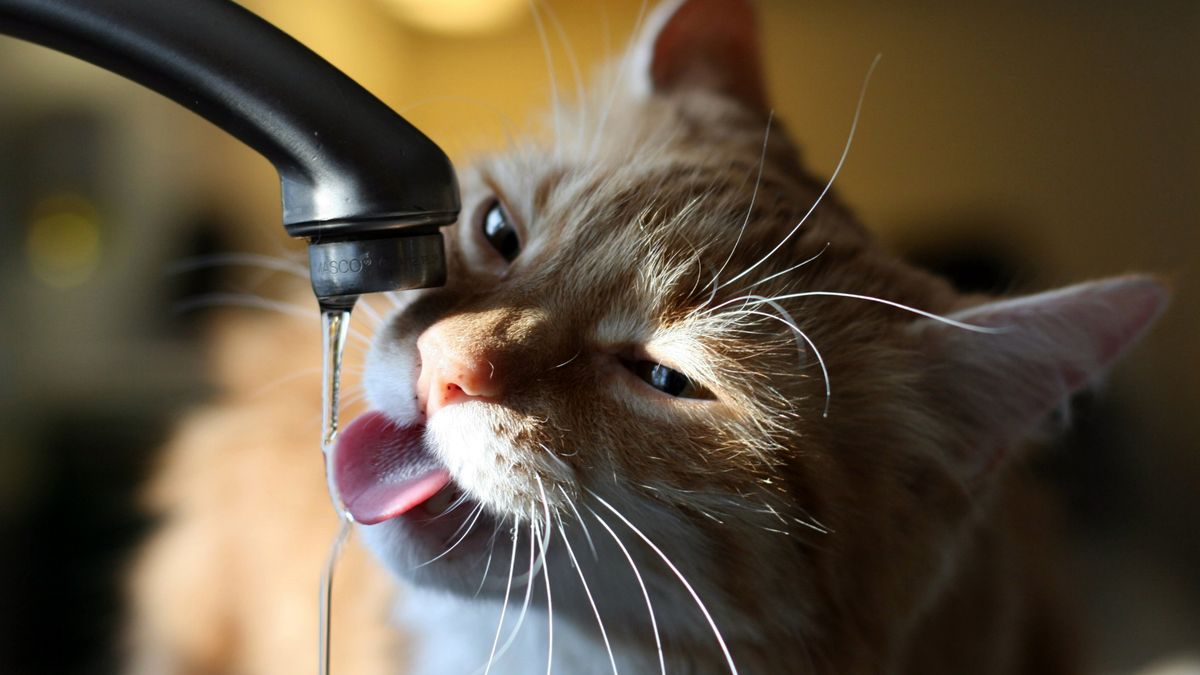
Some cats like running water because movement makes it easier to notice. A still bowl can blend into the room, while a drip or stream catches the eye and invites investigation.
Running water may also seem cooler or fresher. This does not mean that moving water is always cleaner. A fountain can collect hair, food bits, saliva, and bacteria if it is not washed often.
A cat’s early experiences also matter. A kitten that grew up near a dripping faucet may learn to seek moving water. Another cat may find the sound, splash, or motor noise stressful.
Cats also differ in how they drink. Some lap from a shallow dish. Others prefer a stream, a wide bowl, or water placed far from food. These preferences can change with age, health, stress, and the layout of the home.
Is running water safer than still water?
Not by itself. Fresh water is safer than dirty water, whether it is moving or still. A well-maintained fountain can help keep water available and may reduce some surface debris, but it still needs regular cleaning.
The American Association of Feline Practitioners and other veterinary groups treat access to clean water as part of good feline care. A fountain supports that goal only when the cat uses it and the owner maintains it.
Can a Water Fountain Help a Cat Drink More?
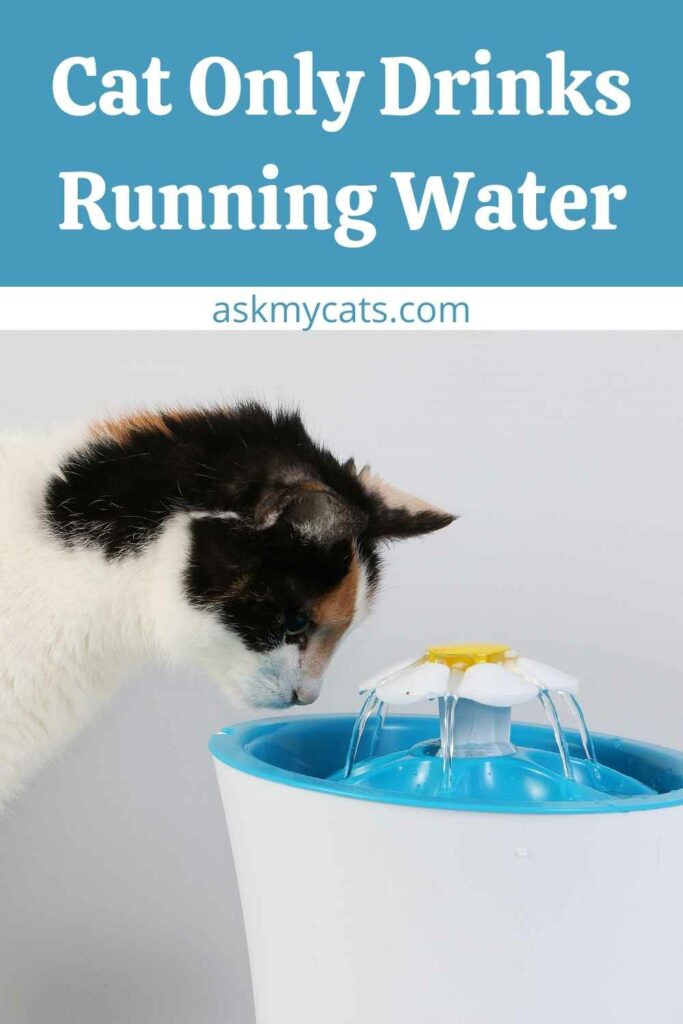
A fountain can help some cats drink more, but the effect is not guaranteed. The main benefit is behavioral: the movement may make water more noticeable and appealing.
Research on cats does not support a simple rule that all cats drink more from fountains. Individual preference plays a large role. Some cats increase their intake with a fountain. Others show no clear change or continue to prefer a bowl.
A fountain may be worth trying when your cat:
- Watches or drinks from a running faucet
- Paws at water streams
- Ignores a bowl but seeks water elsewhere
- Spills or tips a light water dish
- Lives in a warm, dry home
- Eats mostly dry food
- Has a veterinarian-recommended need to increase fluid intake
A fountain is not a treatment for dehydration. If a cat is dehydrated or has a medical condition, veterinary care comes first.
Why hydration matters
Water supports blood flow, digestion, temperature control, and normal kidney function. Cats that eat wet food usually get more water from their meals. Cats that eat dry food may need to drink more from a bowl or fountain.
Even so, water needs vary. Body size, diet, activity, weather, and health all affect intake. Do not force a cat to drink or add supplements without veterinary advice.
A practical home comparison
You can compare preferences without stressing your cat:
- Place a clean, wide bowl in a quiet spot.
- Place a clean fountain several feet away.
- Keep both water sources available for one to two weeks.
- Refill and clean each on the same schedule.
- Observe which one your cat visits and uses.
- Keep the preferred option available, but leave a backup bowl.
This is an observation, not a laboratory test. A cat may choose one source because of its location, height, sound, or water temperature.

How to Choose a Cat Water Fountain
The best cat water fountain is easy to clean, quiet enough for your cat, stable, and large enough to hold fresh water between cleanings. A complex design is not automatically better.
Look for these features
Quiet operation: A loud pump can frighten a cautious cat. Listen to the fountain before placing it near your cat’s food or sleeping area.
Stable construction: The base should resist sliding and tipping. A nervous cat may avoid a fountain that moves when touched.
Easy cleaning: Choose a design with parts that you can take apart. Small channels and hidden pump areas can collect slime and hair.
A safe drinking surface: Stainless steel or ceramic surfaces are often practical because they are smooth and easy to wash. Plastic can work, but scratched plastic may hold residue and odors.
A visible water level: You should be able to see when the fountain is low. Running a pump without enough water can damage it and create extra noise.
Replaceable filters, if used: Filters can remove some particles and odors, but they do not replace cleaning. Check the manufacturer’s instructions for the exact filter type and change schedule.
A cord and pump suited to the location: Keep electrical parts away from standing water. Follow the product instructions and inspect the cord for damage.
Ceramic, stainless steel, or plastic?
| Material | Possible strengths | Possible limits |
|---|---|---|
| Stainless steel | Smooth, durable, and easy to wash | Can make noise if water hits the surface |
| Ceramic | Heavy and often stable | Can chip or crack; damaged glaze is harder to clean |
| Plastic | Light and often less costly | Scratches and may retain odors over time |
Material alone does not decide whether a cat will use a fountain. Shape, noise, location, and cleanliness may matter more.
Should you buy a fountain with a filter?
A filter may help reduce hair, food pieces, and some odors. It does not make stagnant or dirty water safe. If a filter becomes clogged, water flow may slow and the pump may become louder.
Use the filter as one part of maintenance, not as a reason to delay washing the bowl and pump.

How to Introduce a Fountain to Your Cat
Introduce the fountain slowly. A sudden motor sound or new object may make a cat avoid the area.
- Set it up while unplugged. Let your cat inspect the fountain before it makes noise.
- Fill it with fresh water. Use the water your cat normally drinks unless your veterinarian advises another type.
- Place it in a calm area. Avoid narrow hallways, loud appliances, and busy feeding spots.
- Turn it on at the lowest practical flow. A strong stream can startle a cat.
- Keep the old bowl nearby. Do not remove the familiar water source at once.
- Reward calm investigation. A gentle voice or a small treat can create a positive link.
- Give it time. Some cats approach within minutes. Others need days or weeks.
- Stop if your cat shows fear. Offer the bowl and try again later with less sound or a different location.
Signs of success include relaxed body language, repeated visits, normal drinking, and no avoidance of the area. Do not judge success by touching the cat’s face to the water. That can create fear and make the fountain less appealing.
Where should the fountain go?
Many cats prefer water away from the litter box. Some also prefer water away from food because food particles can enter the bowl or because the location feels less secure.
Offer more than one water station in a multi-cat home. This can reduce competition and gives a cat another option if one location feels unsafe.
How Often Should You Clean a Cat Water Fountain?
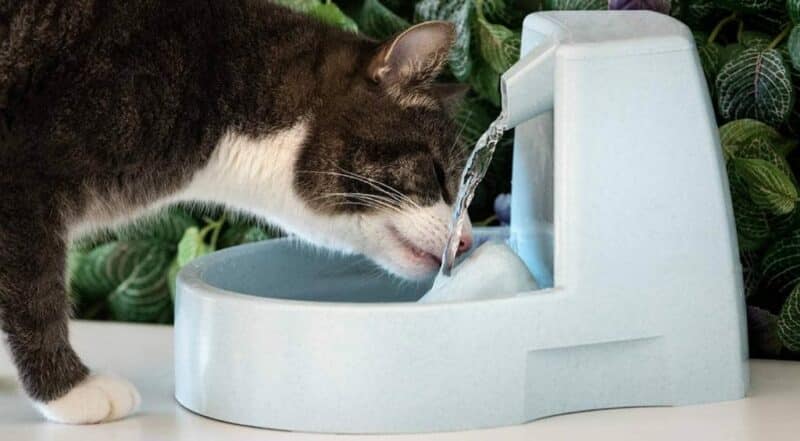
Clean the drinking parts regularly, and follow the fountain maker’s instructions for the pump and filter. Many fountains need a full wash at least weekly, but a household with several cats, heavy shedding, or visible residue may need more frequent cleaning.
A useful routine is:
- Empty old water before refilling.
- Rinse the bowl each day.
- Wash the water basin often with warm water and mild dish soap.
- Take apart and clean the pump as directed.
- Remove hair, slime, and food particles.
- Rinse away all soap.
- Replace filters on the stated schedule.
- Dry parts fully when the design allows it.
- Stop using damaged cords, cracked bowls, or broken parts.
Do not add bleach, essential oils, perfumes, or cleaning chemicals to drinking water. If you use a disinfectant for a removable part, follow the product directions and rinse it completely before the part returns to service.
A fountain that smells bad, feels slimy, or has visible buildup needs cleaning now. Do not simply add more water.
Why Is My Cat Not Drinking From the Fountain?
A cat may avoid a fountain because of noise, vibration, location, water depth, flow strength, a dirty pump, or a bad prior experience. Medical problems can also change drinking behavior.
Check the likely causes in this order:
- Confirm the fountain works. Make sure water flows and the pump is covered by water.
- Reduce noise. Place the fountain on a stable mat and check for vibration.
- Lower the flow. A gentle stream may suit a cautious cat better.
- Clean every part. Odor and residue can make the water unpleasant.
- Move the fountain. Try a quiet area away from the litter box and food.
- Offer a wide bowl. Some cats dislike their whiskers touching a narrow rim.
- Keep a backup bowl. A cat should not lose access to water while you troubleshoot.
- Watch the total intake. The fountain is optional; drinking is the goal.
When should you call a veterinarian?
Contact a veterinarian promptly if your cat stops drinking, drinks much more than usual, urinates more often, vomits, has diarrhea, seems weak, hides, loses weight, or has dry or sticky gums.
Increased thirst can occur with conditions such as kidney disease, diabetes, or thyroid disease. Reduced drinking can happen with pain, nausea, dental disease, stress, or other illness. A fountain may support hydration, but it cannot identify or treat the cause.
Seek urgent veterinary help if your cat shows severe weakness, collapse, repeated vomiting, trouble breathing, or signs of serious dehydration.
Running Water for Cats: Common Mistakes to Avoid
The most common mistake is assuming that every cat prefers moving water. Preference is personal. A bowl may be the better choice if it is clean, stable, and used regularly.
Other mistakes include:
- Removing all bowls before the cat accepts the fountain
- Placing the fountain beside a noisy appliance
- Letting the pump run nearly dry
- Cleaning only the visible basin
- Treating a filter as a substitute for washing
- Adding milk, flavoring, or supplements without veterinary advice
- Measuring success by how expensive or advanced the fountain is
- Ignoring a sudden change in drinking habits
Do not force a cat to drink from a faucet or fountain. The goal is calm, voluntary drinking.

Key Takeaways
- Some cats like running water, but many do not have a strong preference.
- A fountain may make water more noticeable and may help some cats drink more.
- Moving water is not automatically cleaner or safer.
- Choose a stable, quiet fountain that is easy to take apart and wash.
- Keep a clean bowl available during the transition.
- Clean the fountain and pump often.
- Treat sudden changes in drinking as a possible health concern, not only a product problem.
FAQs About Cats and Running Water
Do cats prefer running water to a bowl?
Some cats do, especially if they already seek dripping faucets or moving streams. Others prefer a quiet bowl. Offer both and observe which source your cat uses without forcing a choice.
Is tap water safe for cats in the United States?
In most U.S. homes, tap water that is safe for people is generally suitable for cats. However, local advisories, private wells, unusual taste, or a veterinarian’s recommendation may change that answer. Check local water notices when relevant.
Can cats drink from a bathroom faucet?
They can, but a faucet is not a reliable water station. It may expose a cat to cleaning products, slippery surfaces, or sudden temperature changes. A clean bowl or maintained fountain is easier to control.
Does a fountain prevent urinary problems?
No. A fountain may help a cat consume more water, but it cannot prevent every urinary condition. Any straining, repeated litter-box visits, crying while urinating, or little to no urine requires urgent veterinary attention, especially in male cats.
How can I tell whether my cat is drinking enough?
Track normal habits rather than relying on one visit to the bowl. Look for steady eating, normal energy, normal urination, and no signs of illness. Wet food also contributes water. If drinking changes sharply, ask a veterinarian for guidance.
Conclusion
Cats may like to drink from running water because movement attracts attention and can seem fresh. Yet the strongest choice is not automatically a fountain. It is a clean, safe water source that your individual cat willingly uses.
Try a quiet fountain while keeping a fresh bowl available. Clean both often, watch for changes in drinking, and contact a veterinarian when thirst or water avoidance changes suddenly.