
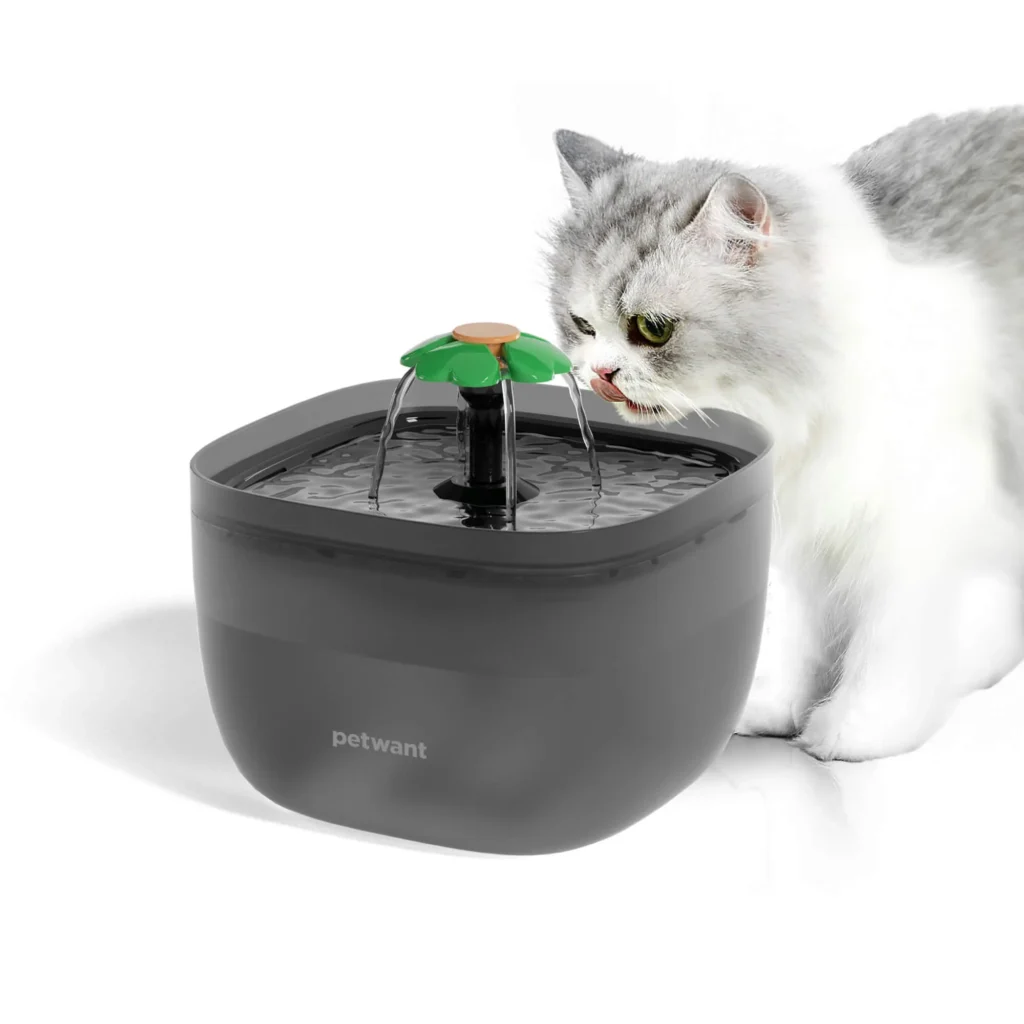
If your cat’s water fountain in the United States feels slippery, cloudy, or coated with a soft film, the most likely cause is biofilm. Biofilm is a thin layer made from bacteria, yeast, mold, saliva, dust, and tiny food particles. It can form even when the water looks clean.
A slimy fountain does not always mean your cat is sick or that the fountain is defective. It usually means the fountain needs more frequent cleaning, better part-by-part scrubbing, or a filter change. Hard-water minerals can also trap debris and make the film worse.
The safest fix is to unplug the fountain, discard the water, take the unit apart, wash each removable part, clean the pump, rinse well, and refill it with fresh water. If slime returns quickly after proper cleaning, check for hidden pump parts, old filters, food contamination, or a damaged surface.

What Causes Slime in a Cat Water Fountain?
The main cause of slime is biofilm, a sticky community of microorganisms attached to a surface. Bacteria can attach to plastic, ceramic, stainless steel, pump parts, and filter housings. Water movement does not prevent this process.
Several common issues can feed or protect the film:
- Cat saliva entering the water
- Food crumbs near the fountain
- Dust, hair, and litter particles
- Warm indoor temperatures
- Stagnant water in the pump or tubing
- Infrequent cleaning
- A clogged or old filter
- Scratches in plastic
- Mineral scale from hard tap water
Cats often drink with their mouths close to the water surface. Their saliva can carry organic material into the bowl. Wet food, treats, and crumbs can also enter the fountain if it sits near the feeding area.
The fountain’s pump is a common hiding place. Small pumps have narrow channels, impellers, rubber seals, and covers where slime can remain after a quick rinse. When the fountain runs again, the old film can spread through the fresh water.
Slime, scale, and mold are not the same
These substances can look similar, but they need different care.
| What you see | Likely cause | Best first step |
|---|---|---|
| Clear or cloudy slippery film | Biofilm from bacteria, saliva, or food | Take apart and scrub all parts |
| White, crusty deposits | Hard-water mineral scale | Soak compatible parts in diluted white vinegar, then rinse |
| Pink, orange, green, or black spots | Microbial growth or staining | Disassemble, clean fully, and replace damaged parts or filters |
| Hair or floating debris | Poor placement or clogged filter | Move the fountain and replace the filter |
| Oily surface | Food, treats, or residue from cleaning products | Wash with dish soap and rinse very well |
Color alone cannot identify a microorganism. A pink or black stain should not be treated as harmless simply because it is small. Clean the fountain thoroughly and investigate why the growth returned.
Hard-water scale can make biofilm easier to notice. Mineral deposits create a rough surface where organic material can collect. The U.S. Geological Survey explains that hard water contains dissolved calcium and magnesium, although the exact level varies by local water supply.

Is Slimy Fountain Water Unsafe for Cats?
A slimy fountain should be treated as contaminated and cleaned before your cat uses it again. A small amount of ordinary environmental bacteria may not cause illness in a healthy cat, but a dirty fountain can expose the animal to more microbes, mold, and decaying food residue.
The risk may be higher for:
- Kittens
- Older cats
- Cats with diabetes
- Cats with kidney disease
- Cats receiving immune-suppressing medication
- Cats with other health problems
Do not add bleach, disinfectant, essential oils, hydrogen peroxide, or scented cleaners to the drinking water. Residue can irritate the mouth and stomach. Essential oils can also be harmful to cats if swallowed or inhaled in concentrated amounts.
If your cat has vomiting, diarrhea, mouth irritation, unusual tiredness, reduced appetite, or stops drinking, contact a veterinarian. These signs can have many causes, so do not assume the fountain is responsible. If your cat drinks very little after the fountain is removed, offer a clean bowl and seek veterinary advice promptly.
The American Veterinary Medical Association and the FDA both emphasize safe care and sanitation around animals, but neither recommends using household chemicals in a pet’s drinking water. Cleaning products must be removed by thorough rinsing before the fountain goes back into service.
How to Clean a Slimy Cat Water Fountain
Clean the fountain as soon as you notice a slippery film. Most fountains can be cleaned with warm water, mild unscented dish soap, a soft brush, and a clean towel.
What you need
- Warm water
- Mild, unscented dish soap
- A soft toothbrush or small bottle brush
- A clean sponge or cloth
- A cotton swab for narrow pump openings
- White vinegar for mineral scale
- A clean towel
- A replacement filter if the old one is dirty or overdue
Before using vinegar, check the fountain’s care instructions. Some finishes, coatings, or materials may not tolerate acids well.
Step-by-step cleaning method
-
Unplug the fountain.
Never clean an electric fountain while it is connected to power. -
Empty the water.
Pour the old water down the drain. Do not let your cat drink it or use it to rinse other items. -
Remove every detachable part.
Take off the lid, tray, filter, filter holder, pump cover, tubing, and other removable pieces. Follow the manufacturer’s manual because designs differ. -
Discard or replace the filter when needed.
A filter that smells bad, looks slimy, has visible debris, or has exceeded its replacement interval should be replaced. Do not rely on rinsing alone to restore an exhausted carbon or foam filter. -
Wash the main parts with dish soap.
Scrub the bowl, lid, filter holder, and channels with warm water and mild soap. Pay close attention to seams, corners, and the underside of the lid. -
Clean the pump.
Remove the pump cover if the design allows it. Take out the small impeller, if accessible, and brush away the film. Use a cotton swab for the intake opening and narrow channels. -
Treat mineral scale separately.
If you see white crust, soak compatible parts in a solution of equal parts white vinegar and water for about 15 to 30 minutes. Scrub gently. Never mix vinegar with bleach or other cleaners. -
Rinse every part very well.
Soap and vinegar should not remain on drinking surfaces. Rinse until there is no smell, slick feel, or visible residue. -
Dry the parts.
Air-dry the pieces on a clean towel when possible. Drying reduces trapped moisture in seams and pump parts. -
Reassemble and refill.
Install a clean filter, reassemble the fountain, and add fresh water. Check for normal flow and unusual pump noise.
Signs that cleaning worked
The fountain should have:
- No slippery feel
- No sour, musty, or rotten odor
- No visible film
- Clear water
- Normal water flow
- A pump that runs without grinding or rattling
If the pump still smells or produces debris, clean it again. If the odor remains after thorough cleaning, replacing the pump may be more practical than continuing to use it.
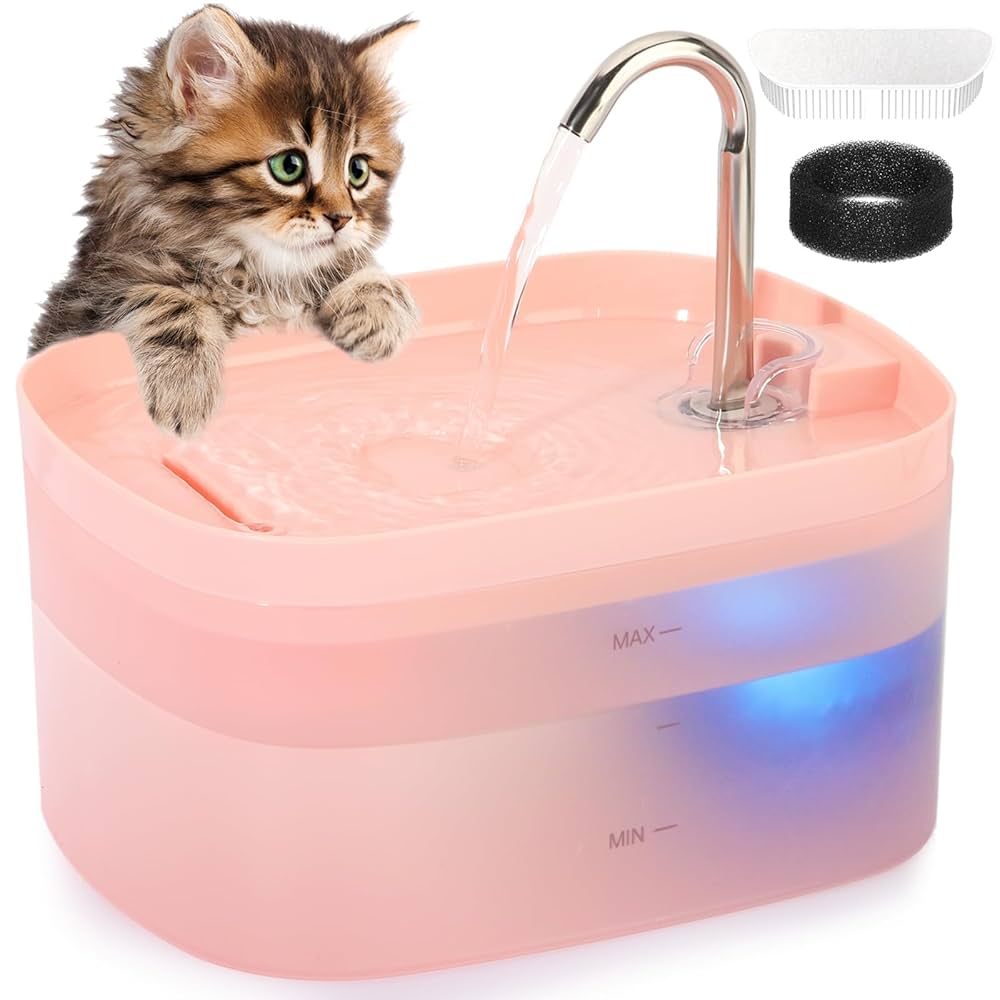
How Often Should You Clean a Cat Water Fountain?
For many homes, a full wash at least once a week is a reasonable starting point. Some fountains need cleaning more often, especially when several cats use them or when food and hair enter the basin.
Use this schedule as a practical guide, not a universal rule:
| Task | Suggested starting schedule | Clean sooner when |
|---|---|---|
| Remove hair and debris | Daily | Hair, litter, or food is visible |
| Add fresh water | Daily or as needed | Water is low, cloudy, or smells unusual |
| Wash the basin and lid | About weekly | The surface feels slick |
| Clean the pump | Weekly to monthly, based on design | Flow drops or odor develops |
| Replace the filter | Follow the manual | The filter is dirty, slimy, or smells bad |
A multi-cat household may need more frequent cleaning than a home with one cat. Cats that eat wet food may also contaminate nearby water faster.
Do not top off old water for days. Adding fresh water to a dirty fountain dilutes the residue but does not remove the biofilm. Emptying and washing the fountain is more effective.
Water temperature also matters. A fountain in a warm room, near a sunny window, or beside a heat vent may develop odor and film faster. Keep it in a cool, shaded area away from litter boxes and food bowls when possible.
How to Stop Your Cat’s Water Fountain From Getting Slimy
The best prevention plan combines clean parts, fresh water, and a low-contamination location.
1. Move the fountain away from food
Place the water fountain several feet from the feeding area if space allows. Cats can carry food particles from the bowl to the water. A separate location also makes it easier to notice changes in water clarity.
2. Keep it away from the litter box
Dust and litter particles can enter the fountain and add organic material to the water. Put the fountain in a quiet place that your cat likes, but avoid areas with heavy foot traffic or airborne litter dust.
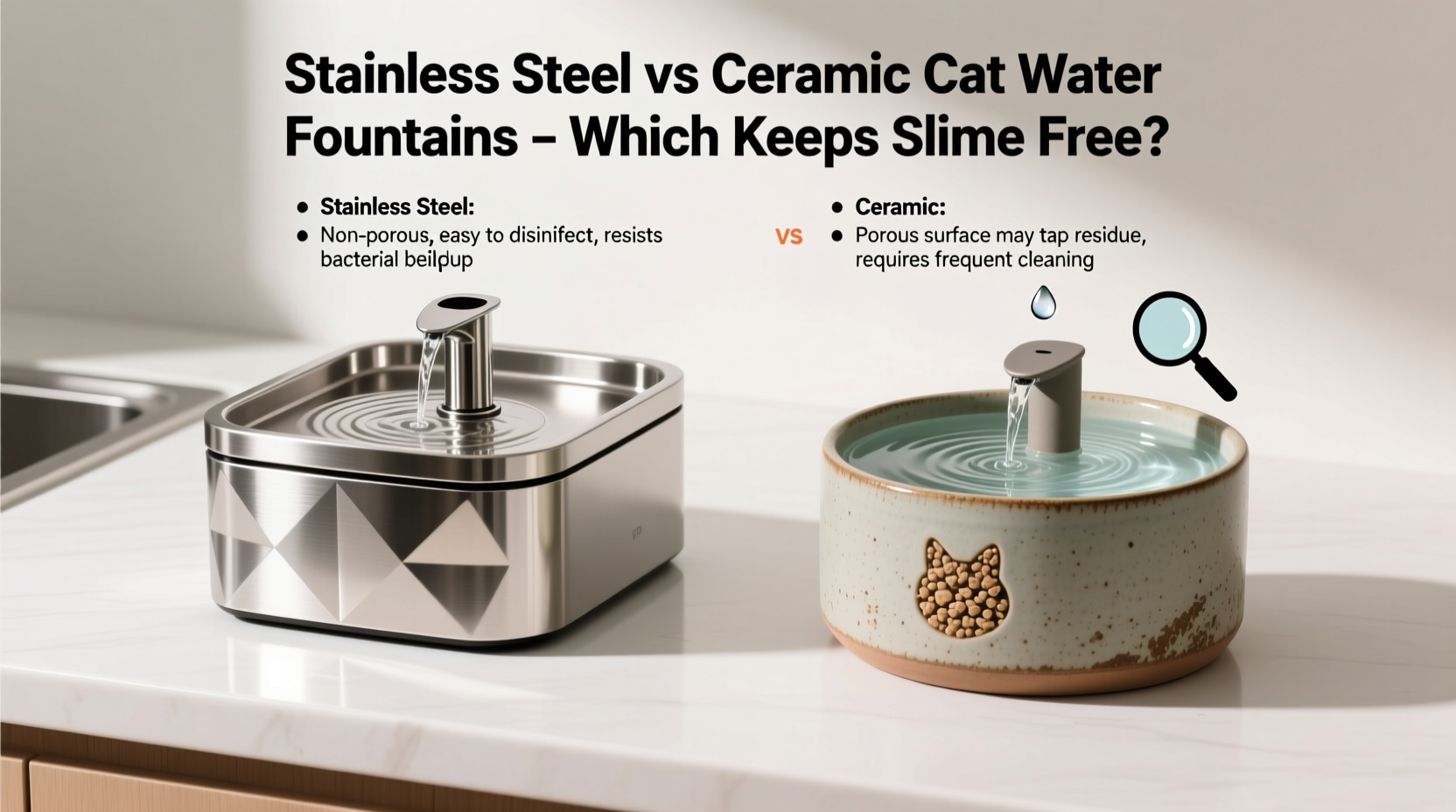
3. Choose a smooth, washable material
Plastic fountains can work well, but scratches may hold residue. Ceramic and stainless-steel surfaces are often easier to inspect and clean, though each product still has seams and pump parts that require attention.
Material alone does not prevent slime. A stainless-steel fountain with a dirty pump can still become contaminated.
4. Replace filters on time
Filters can trap hair, food, and other particles. Once a filter is clogged or dirty, water may flow more slowly and the filter itself may become a source of odor or film.
Follow the exact replacement instructions for your model. Filter life varies with water quality, household dust, and the number of cats using the fountain.
5. Keep a second water bowl available
A clean ceramic or stainless-steel bowl gives your cat another drinking option while the fountain is being washed. It also helps you monitor whether your cat is avoiding the fountain.
6. Use safe water
Tap water is suitable for many cats, but local water quality varies across the United States. If your tap water has a strong odor, unusual color, or heavy mineral content, ask your local water utility for its annual water quality report. A properly maintained household filter may help with taste or mineral deposits, but it does not replace fountain cleaning.
Do not assume bottled water is automatically better. It can still become contaminated after entering a dirty fountain.
Why Does My Cat Water Fountain Get Slimy So Fast?
A fountain that becomes slimy within a day or two usually has a continuing source of contamination or a part that is not being cleaned.
Check these causes in order:
-
The pump was not opened.
Slime inside the pump can recontaminate the fountain after each cleaning. -
The filter is old or incorrectly installed.
A filter may trap debris instead of improving water quality when it is overdue for replacement. -
Food is entering the basin.
Move the fountain away from wet food, treats, and feeding mats. -
The cat is drinking immediately after eating.
This can add food residue and saliva to the water. -
The fountain is warm.
Move it away from direct sun, heaters, and warm appliances. -
The plastic is scratched.
Deep scratches can be difficult to clean completely. Consider replacing the scratched part. -
The fountain is overfilled or assembled incorrectly.
Water may sit in areas that do not drain well, creating stagnant pockets. -
The water is hard.
Mineral scale can make the surface rough and encourage residue buildup.
If the slime returns even after a complete wash, pump cleaning, filter replacement, and a better location, stop using that fountain temporarily. Use a clean bowl and contact the manufacturer if the problem appears related to a cracked, peeling, or deteriorating component.

Common Cleaning Mistakes to Avoid
Several habits can make slime more likely or create a safety problem.
Rinsing instead of scrubbing
A quick rinse removes loose debris but usually does not remove attached biofilm. Use a soft brush on all water-contact surfaces.
Cleaning only the bowl
The pump, tubing, filter housing, and underside of the lid can hold more residue than the visible basin. Clean the entire water path.
Leaving soap behind
Dish soap is useful for washing, but residue can change the water’s taste and irritate your cat. Rinse every part thoroughly.
Mixing cleaning products
Never mix bleach, vinegar, ammonia, or other household chemicals. Toxic vapors can form. Use one compatible cleaning method at a time, then rinse well.
Using harsh abrasives
Steel wool and rough scouring pads can scratch plastic and coated surfaces. Those scratches may collect future residue.
Reusing a dirty filter
A filter that smells, looks slimy, or has visible buildup should be replaced according to the product instructions. Rinsing it may not remove trapped contamination.
Making sudden water changes without watching your cat
Some cats dislike new water smells or fountain sounds. If you remove the fountain, provide a clean bowl and watch that your cat continues to drink.

When Should You Replace the Fountain?
Replace the fountain or a specific part when cleaning no longer removes the problem. Warning signs include:
- Cracks or deep scratches
- Peeling coatings
- Soft or deteriorating plastic
- A pump that remains foul-smelling
- Electrical damage
- Frayed cords
- Repeated slime in hidden, inaccessible areas
- Persistent leaks
- A motor that overheats or makes abnormal noises
Do not use a fountain with a damaged cord or electrical housing. Keep electrical connections dry and follow the manufacturer’s instructions for submerging or washing the pump.
A replacement is not automatically needed because of one slimy cleaning. Try a complete disassembly first. The deciding issue is whether the fountain can be cleaned safely and fully.

Frequently Asked Questions
Is slimy water in a cat fountain mold?
It may be mold, but slime is more often a mixture of biofilm, saliva, food residue, bacteria, and mineral deposits. You cannot identify the exact cause by appearance alone. Clean the fountain fully and replace contaminated filters.
Can I use vinegar to clean a cat water fountain?
Diluted white vinegar can help remove mineral scale from compatible parts. Check the product manual first, keep vinegar away from bleach, and rinse every part thoroughly before refilling the fountain.
Should I use bottled water in my cat’s fountain?
Bottled water is not required for most cats. It may change taste or reduce some mineral deposits, but it can still become dirty in a contaminated fountain. Fresh water and regular cleaning matter more than the label on the water.
How long can a cat go without drinking?
Do not wait to find out. Cats need regular access to clean water, and dehydration can become serious. If your cat refuses both the fountain and a clean bowl, or shows illness, contact a veterinarian promptly.
Can I put a cat water fountain in the dishwasher?
Only if the manufacturer says the specific parts are dishwasher-safe. Pumps, cords, filters, seals, and some plastics may be damaged by heat or detergent. Remove electrical parts unless the manual clearly permits dishwasher cleaning.
Key Takeaways
- A slimy cat water fountain usually contains biofilm.
- Saliva, food, dust, hair, filters, and hard-water scale can contribute.
- Clean the bowl, lid, pump, tubing, and filter housing—not only the visible basin.
- Replace dirty filters and rinse away all soap or vinegar.
- Wash the fountain about weekly, or more often for multiple cats and messy drinkers.
- Use a clean bowl while the fountain is being cleaned.
- Contact a veterinarian if your cat stops drinking or develops illness signs.
Conclusion
Your cat’s water fountain gets slimy because microbes and organic residue attach to wet surfaces and build a biofilm. The pump and filter can hide the problem, which is why a quick rinse often fails.
Unplug the fountain, take it apart, scrub every water-contact part, replace the filter when needed, and rinse thoroughly. Then keep the fountain away from food, litter dust, heat, and direct sun. If slime returns quickly despite proper care, replace damaged parts or use a different fountain and ask the manufacturer for model-specific cleaning guidance.