
Introduction
For cat owners in the United States, tofu cat litter is a plant-based option made mainly from soy pulp and other natural materials. It usually forms clumps, controls odor, and creates less dust than many clay litters. It may also produce less weight to carry and less plastic packaging, depending on the brand.
Tofu litter is not automatically safer, flushable, or compostable in every situation. Its quality depends on the formula, and local waste rules still apply. The best choice depends on your cat’s health, litter habits, household needs, and tolerance for cost and maintenance.
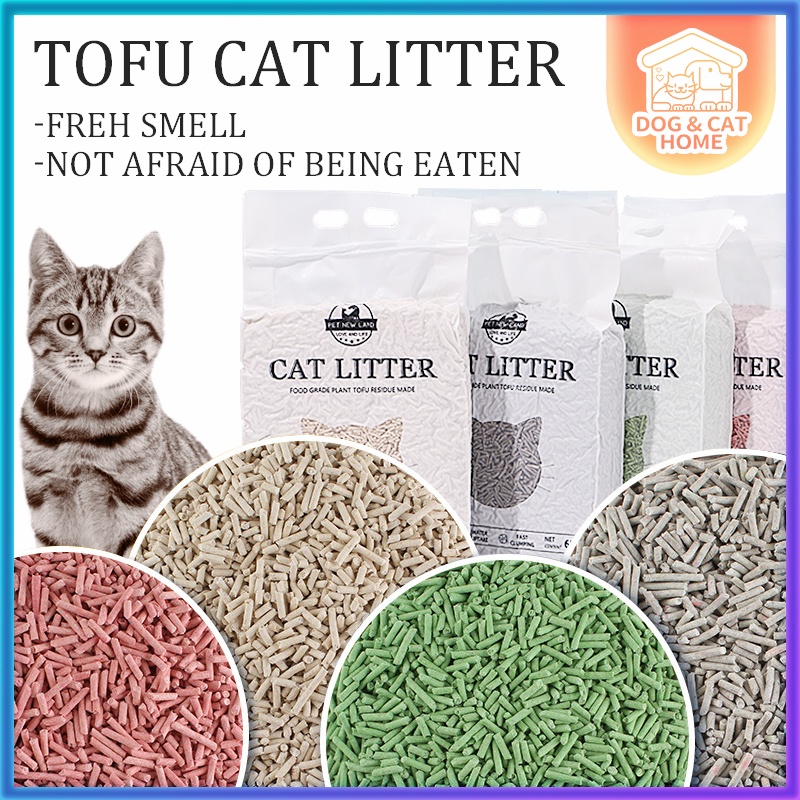
What Is Tofu Cat Litter?
Tofu cat litter is a type of biodegradable cat litter made from compressed plant material. Its main ingredient is often soybean fiber, also called soy pulp or okara. Many formulas also include starch, plant gum, activated carbon, or mineral ingredients.
Manufacturers form the material into small pellets, sticks, or granules. When urine reaches a clumping formula, the plant fibers absorb moisture and bind together. You can then remove the used clump without replacing all the litter.
The name “tofu” does not mean the litter contains food-grade tofu. It usually refers to the soybean material left after making soy milk or tofu.
Common ingredients in tofu litter
A tofu litter formula may contain:
- Soybean fiber or soy pulp
- Pea fiber or corn fiber
- Cassava or corn starch
- Guar gum or another plant-based binder
- Activated carbon for odor control
- Mineral absorbents
- Natural or artificial fragrance
- Colorants
Always read the full ingredient list. “Natural” on the front of a package does not explain every ingredient or prove that a product is safe for every cat.
How Does Tofu Cat Litter Work?
Tofu litter works through absorption and, in many products, clumping. Plant fibers draw liquid into the pellet. Starch or gum helps the wet material stick together.
The practical result is similar to clumping clay litter:
- Your cat urinates on the litter.
- The pellets absorb the liquid.
- The wet litter forms a clump or damp mass.
- You remove the clump with a scoop.
- You add fresh litter as needed.
Pellet size affects performance. Small granules often feel closer to clay and may clump more tightly. Larger pellets may track less but can leave more wet litter behind if the urine passes between them.
A tofu litter may seem to disappear quickly in a heavily used box. This can happen when the litter absorbs more liquid than expected, when the layer is too thin, or when a cat digs deeply before urinating.

Is Tofu Cat Litter Safe for Cats?
Tofu cat litter is generally designed for use around cats, but no litter is risk-free for every animal. The main safety concerns are dust, fragrance, accidental eating, poor hygiene, and a sudden change that causes a cat to avoid the litter box.
A healthy adult cat that uses the box normally may do well with tofu litter. Kittens, cats with asthma, cats that lick litter from their paws, and cats with a history of digestive problems may need closer observation.
Dust and breathing
Tofu litter often produces less visible dust than some clay products, but “dust-free” is not a universal guarantee. Pellets can break during shipping, pouring, or scooping.
Choose an unscented formula when possible, especially for cats with:
- Asthma or chronic cough
- Nasal irritation
- Allergies
- Sensitive skin
- A strong dislike of perfume
Stop using the product and contact a veterinarian if your cat develops repeated coughing, wheezing, breathing trouble, vomiting, or marked skin irritation after a litter change.
Fragrance and essential oils
Some tofu litters contain fragrance. A scented litter may hide odor for people but can bother cats. Essential oils deserve special caution because cats process some plant oils poorly.
Do not add essential oils, perfumes, deodorizing powders, or household cleaners to the litter box unless a veterinarian has specifically advised it.
Accidental eating
Small amounts of litter may pass through a cat’s digestive system, but repeated eating is not normal. A kitten may chew pellets because of curiosity. An adult cat may eat litter because of anemia, nutritional disease, stress, or another health problem.
Call your veterinarian if your cat:
- Eats litter repeatedly
- Vomits after eating litter
- Has a swollen or painful belly
- Stops passing stool
- Becomes weak or unusually tired
Do not assume that a plant-based product is harmless in large amounts. “Edible” and “biodegradable” are not the same as safe to eat.
Toxoplasmosis and litter hygiene
Tofu litter does not remove the need for careful handling of cat feces. The Centers for Disease Control and Prevention advises daily litter-box cleaning because the parasite that causes toxoplasmosis usually needs more than one day to become infectious.
Pregnant people and people with weakened immune systems should follow medical advice. When possible, another person should clean the box. If that is not possible, use disposable gloves and wash your hands well afterward. The CDC provides current guidance on toxoplasmosis prevention.
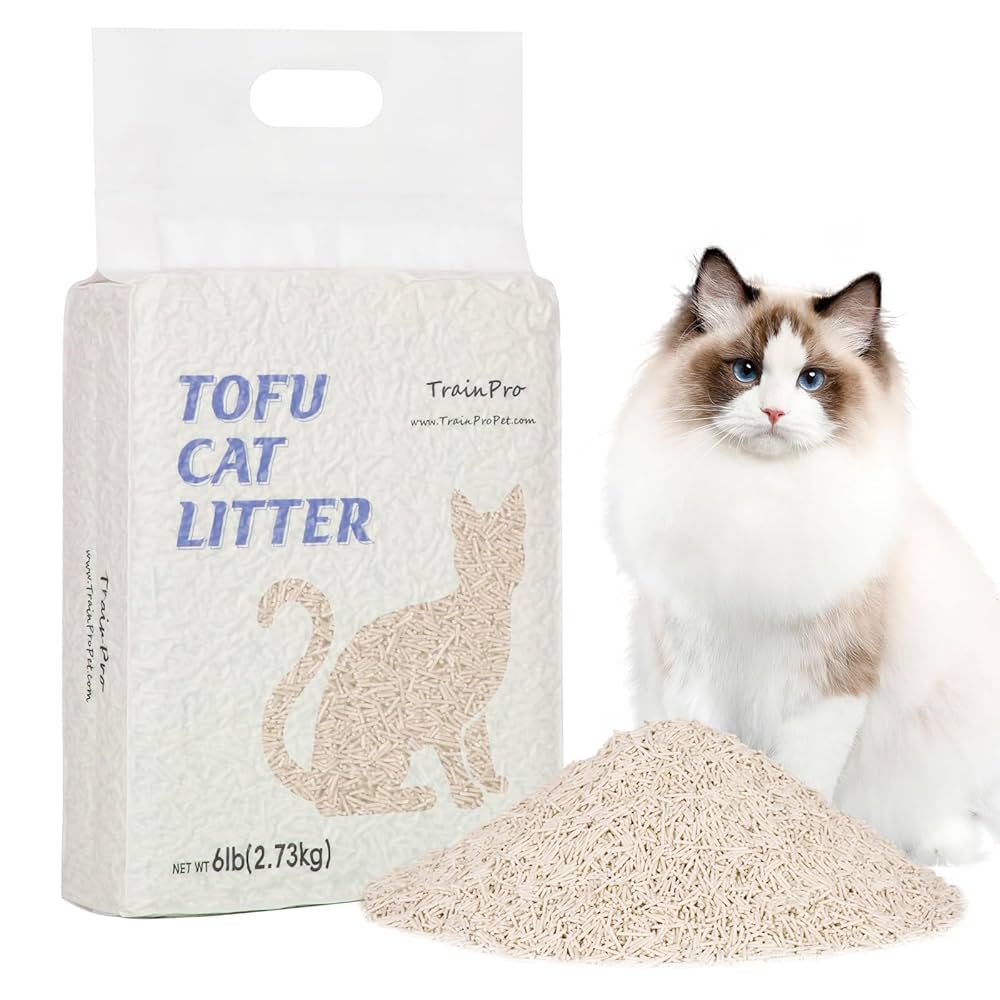
Tofu Cat Litter Pros and Cons
Tofu litter can work well, but its benefits come with trade-offs. The most important question is not whether tofu litter is “best.” It is whether the formula meets your cat’s needs and your disposal limits.
Potential benefits
Lower dust in some formulas: Plant pellets may create less airborne dust than dusty clay products. Performance varies by brand and handling.
Light weight: Tofu litter is often easier to lift and pour than a similar volume of clay litter. This can help people with back, joint, or mobility limits.
Good absorption: Soy fiber and plant starch can absorb urine well when the box has enough litter and the clumps are removed on schedule.
Clumping: Many tofu products form scoopable clumps, which lets you remove waste without replacing the full box each day.
Renewable feedstock: Soy pulp and other plant fibers can come from agricultural byproducts. This may reduce reliance on newly mined clay, although the full environmental impact depends on manufacturing, packaging, transport, and disposal.
Small pellets: Some cats prefer the soft feel of fine tofu granules. Other cats prefer larger pellets, so texture remains an individual preference.
Possible drawbacks
Higher price: Tofu litter often costs more per bag than basic clay litter. A fair comparison uses cost per usable day, not only the shelf price.
Clumps may break: Weak clumps can fall apart during scooping. Small pieces left behind may create odor or stick to the box.
Moisture sensitivity: Humidity can cause unopened or opened pellets to soften or clump in the bag.
Tracking: Fine granules may stick to paws and spread beyond the box. Larger pellets can reduce tracking but may be less comfortable for some cats.
Variable odor control: Some formulas control urine odor well but struggle with fecal odor. Fragrance may mask odors without removing the cause.
Mold risk after contamination: Any plant-based product can support spoilage if it becomes wet. Store it in a dry place and discard litter that smells sour, looks damp, or shows mold.
Not always flushable: A package may say a product is flushable, but plumbing systems differ. Septic systems, older pipes, municipal rules, and local wastewater treatment all matter.
Tofu Cat Litter vs. Clay, Pine, and Silica
The right litter depends on which trade-off matters most. No single litter type wins for every cat or home.
| Litter type | Main strengths | Common limits | Best fit |
|---|---|---|---|
| Tofu | Light, plant-based, often clumping, usually low in visible dust | Can cost more; clump strength varies; disposal claims need checking | People seeking a light, clumping alternative |
| Clumping clay | Strong clumps, widely available, familiar texture | Heavy; may create dust; mined material | Cats and owners that prefer proven clumping behavior |
| Non-clumping clay | Often low cost and simple to find | Requires more frequent full changes; urine can spread through the box | Temporary use or tight budgets |
| Pine pellets | Low tracking and a wood-based option | Many formulas do not form urine clumps; texture may need adjustment | Cats that accept larger pellets |
| Silica crystal | Strong liquid absorption and long use between changes | Some cats dislike the texture; crystals can track; not plant-based | Homes focused on moisture control |
| Paper pellets | Soft, low dust, useful after some medical procedures | Weak odor control; often non-clumping | Sensitive cats or short-term recovery |
The table compares broad product categories. Individual formulas can behave very differently. A premium clay litter may create less dust than a poor-quality plant litter, and a tofu litter may outperform another tofu litter for clump strength.

How to Choose a Tofu Cat Litter
Choose based on your cat first, then compare cost and environmental claims. Packaging language can help, but your cat’s behavior is the strongest practical test.
1. Select an unscented formula
Unscented litter is the safer starting point for most cats. It reduces the chance that perfume will cause avoidance or irritation.
If odor control is a concern, look for a formula that uses activated carbon or another clearly listed odor-control ingredient. Still, no additive replaces daily scooping and regular box washing.
2. Check the ingredient list
Look for a short, clear list. Be cautious with products that make broad claims but do not explain the formula.
Check whether the product contains:
- Fragrance
- Essential oils
- Added dyes
- Mineral additives
- Corn or other ingredients your cat may react to
- Sodium bentonite clay, if you want a fully plant-based litter
A tofu product may not be 100% soybean fiber. That is not necessarily a problem, but the package should make the blend clear.
3. Match the texture to your cat
Cats often care about texture and scent. A cat that likes fine clay may reject large pellets. A cat that dislikes litter stuck to its paws may prefer larger granules.
If possible, choose a smaller bag for the first trial. This avoids wasting a large amount of litter if your cat refuses it.
4. Look at clump strength
Strong clumps make cleaning easier and reduce wet litter left in the box. Reviews can reveal recurring problems, but they are personal reports, not controlled tests.
In your own box, check whether:
- The clump stays together after several minutes
- Urine reaches the bottom of the box
- Wet litter sticks to the liner
- Small fragments remain after scooping
- The box smells shortly after cleaning
5. Check packaging and storage needs
A resealable bag helps keep plant litter dry. If the package is not resealable, transfer it to a clean, dry container with a secure lid.
Do not store litter beside a washing machine, sink, damp basement wall, or outdoor shed. Humidity can change the texture before the litter reaches the box.
6. Compare true cost
Use this simple calculation:
Cost per day = purchase price ÷ number of days the bag lasts
For example, if a $24 bag lasts 30 days:
$24 ÷ 30 = $0.80 per day
This is a hypothetical calculation. Your result will change with the number of cats, box size, litter depth, scooping habits, and how much litter you remove during full changes.

How to Switch Your Cat to Tofu Litter
Switch gradually unless your veterinarian tells you to change at once. A sudden change can make a cat avoid the box, hold urine, or choose another place in the home.
Use this transition:
- Add a small amount of tofu litter to the current litter.
- Keep the box in the same quiet location.
- Increase the tofu portion every few days if your cat uses the box normally.
- Keep one box with the old litter during the trial if your home allows it.
- Watch for urine or stool outside the box.
- Slow the change if your cat shows stress or avoids the box.
A practical starting mix is about 25% new litter and 75% old litter. Increase the new litter only when your cat accepts the current mix. Some cats need several weeks.
For multi-cat homes, provide enough boxes. The American Association of Feline Practitioners commonly recommends one box per cat plus one extra, placed in separate, accessible areas. This is a useful starting rule, not a guarantee that every household needs the same setup.
Signs the transition is working
- Your cat enters the box without hesitation
- Urine and stool remain in the box
- Your cat does not lick litter from its paws
- There is no new coughing or skin irritation
- The box stays reasonably dry between cleanings
- Odor remains manageable with normal scooping
If your cat stops urinating, strains, cries in the box, or repeatedly visits the box without producing urine, seek urgent veterinary care. Urinary blockage can be life-threatening, especially in male cats.

How to Use and Maintain Tofu Cat Litter
Use enough litter to let your cat dig and to keep urine away from the bottom of the box. Many clumping products work best with a layer of about 2 to 3 inches, but follow the package directions and adjust for your cat.
Daily routine
- Scoop urine clumps and feces at least once a day.
- Remove broken pieces around each clump.
- Add fresh litter to restore the original depth.
- Stir gently if the manufacturer recommends it.
- Sweep tracked litter from the surrounding floor.
Homes with several cats may need to scoop more often. A clean box also helps you notice changes in urine volume, stool, or litter-box habits.
Full box cleaning
Replace all litter when odor remains after scooping or when the material becomes damp and difficult to separate. Empty the box, wash it with mild unscented soap and warm water, rinse it well, and dry it fully before adding new litter.
Avoid bleach mixed with urine residue. Never mix bleach with ammonia or other cleaners. If you use a disinfectant, follow its label and keep cats away until the box is rinsed and dry.
Plastic boxes can hold odor over time. Replace a deeply scratched or permanently smelly box rather than adding more fragrance to cover the smell.
Can You Flush or Compost Tofu Cat Litter?
Do not assume tofu litter can go down the toilet. Flushability depends on the product, your plumbing, wastewater system, and local rules.
Even if a label permits flushing, avoid flushing feces or litter if:
- Your home uses a septic system
- Your local utility advises against it
- Your pipes are old or prone to blockage
- The product contains clay, minerals, or large pellets
- You are unsure whether the claim applies to your region
Cat feces can contain parasites and pathogens. Wastewater systems are not designed to make every pet-waste risk disappear. The safer default is to place used litter and feces in a sealed household-waste bag, unless your local authority provides different instructions.
Composting requires similar caution. Do not place used cat litter in compost used for vegetables, herbs, or fruit. Home compost piles may not reach the heat and control needed to manage pathogens. Only compost unused or clearly approved material under the product instructions and local rules.
For disposal guidance in the United States, check your city or county waste agency. Rules can differ even between nearby communities.

Common Tofu Cat Litter Problems and Fixes
The litter smells bad
Possible causes:
- The box is too small
- Scooping is too infrequent
- The litter layer is too thin
- Several cats share one box
- Wet litter remains under clean pellets
- The formula does not control odor well
Try this first: Scoop more often, remove damp material from the bottom, wash the box, and add a second box if needed. Do not simply add perfume.
Clumps fall apart
Possible causes:
- You scoop too soon
- The litter layer is too shallow
- The product forms soft clumps
- Your cat urinates against the side of the box
- The litter has absorbed moisture in storage
Try this first: Wait a few minutes before scooping, maintain the recommended depth, and store the bag in a dry place. A high-sided box may help with wall deposits.
Litter sticks to the box
Possible causes:
- The box has too little litter
- The plastic is scratched
- Urine reaches the base before clumping
- The product is not suited to the cat’s urine pattern
Try this first: Add litter to the recommended depth and use a wide, flat scoop. Replace the box if scratches hold odor and wet material.
Your cat refuses the litter
Possible causes:
- The texture feels wrong
- The scent is too strong
- The box location is stressful
- The change happened too fast
- The box is dirty or difficult to enter
Try this first: Return to the last litter your cat used successfully, then transition more slowly. If avoidance continues, speak with a veterinarian because pain, urinary disease, constipation, and stress can all change litter-box behavior.
Pellets scatter around the home
Possible causes:
- The granules are too small
- The box has a low entry
- Your cat exits quickly
- The box sits on a smooth floor
Try this first: Use a litter mat, place the box on a washable surface, or try a larger-pellet formula. Avoid covered boxes if your cat dislikes confined spaces.

Is Tofu Cat Litter Better for the Environment?
Tofu litter may reduce dependence on mined clay and can use plant byproducts. That gives it a potential environmental advantage. It does not prove that every tofu product has a lower total impact.
Environmental performance also depends on:
- Where the raw materials are grown
- How the litter is processed
- Packaging material
- Shipping distance
- Energy used in production
- Whether the product is disposed of in a landfill
- How much litter your household uses
A biodegradable material may break down slowly in a landfill because landfills lack the air, moisture, and microbial conditions found in an active compost system. “Biodegradable” does not mean it will quickly disappear after disposal.
If environmental impact is your main concern, compare the full product information rather than relying on one front-label claim. Use only disposal methods accepted by your local waste authority.
When Tofu Litter May Not Be the Best Choice
Tofu litter may not suit every cat or home. Consider another option when:
- Your cat refuses plant-based textures
- The product creates respiratory irritation
- Clumps break apart and leave wet material
- Storage conditions are damp
- You need a very low-cost litter
- Your local disposal system does not support the claimed method
- A veterinarian has recommended a specific medical or recovery litter
A litter change should not delay medical care. Sudden urination outside the box, straining, blood in urine, severe constipation, or repeated vomiting needs veterinary attention.
Key Takeaways
- Tofu cat litter is usually made from soybean fiber, starch, and plant binders.
- It can offer low weight, clumping, and lower visible dust than some clay products.
- It may cost more and can vary widely in clump strength and odor control.
- Unscented litter is usually the safest starting point for sensitive cats.
- Change litter gradually and watch for box avoidance.
- Do not flush or compost used tofu litter unless the product and local rules clearly allow it.
- Daily scooping and clean boxes matter more than odor-control claims.
- Call a veterinarian for repeated litter eating, breathing problems, urinary trouble, or sudden box avoidance.
Frequently Asked Questions
Is tofu cat litter safe for kittens?
Many tofu litters are made for general cat use, but kittens may chew or eat pellets. Use an unscented product, supervise the first few days, and contact a veterinarian if the kitten eats litter repeatedly or develops vomiting, constipation, weakness, or a swollen belly.
Does tofu cat litter control odor better than clay?
Not always. Some tofu litters control urine odor well, while others struggle with fecal odor or weak clumps. Scoop daily, keep enough litter in the box, and compare formulas by real use rather than by the word “natural” on the package.
Can cats with asthma use tofu litter?
A low-dust, unscented tofu litter may be easier for some cats with asthma, but it is not a treatment. Pellets can still create dust. Ask your veterinarian before changing litter for a cat with breathing disease, and stop using the product if coughing or wheezing worsens.
How often should tofu cat litter be changed?
Scoop at least daily and replace all litter when it stays damp, smells bad, or no longer forms usable clumps. The timing may range from several days to several weeks based on the number of cats, box size, litter depth, and product formula.
Is tofu cat litter really flushable?
Some brands make flushable claims, but that does not mean flushing is safe for every U.S. home. Septic systems, local rules, pipe design, and wastewater treatment differ. Check the product label and your local utility; when uncertain, dispose of used litter with household waste.
Conclusion
Tofu cat litter is a reasonable option for U.S. cat owners who want a light, plant-based, often clumping litter. Its main strengths are ease of carrying, useful absorption, and the potential for lower dust. Its limits include higher cost, variable clump quality, storage needs, and uncertain disposal claims.
Start with a small bag of unscented litter. Change over slowly, keep the box clean, and monitor your cat’s breathing, skin, digestion, and litter-box habits. If your cat accepts the texture and the product performs well in your home, tofu litter can be a practical part of a safe litter routine.