Introduction
To stop a dog from eating poop at home, block access, pick up stool at once, teach a strong “leave it” cue, and reward your dog for walking away. Most dogs need a daily training plan, not a food additive. A sudden or intense habit also needs a checkup with a US-licensed veterinarian.
Eating feces is called coprophagia. It can occur in puppies, adult dogs, and dogs with stress, hunger, habit, or health problems. It may be upsetting, but punishment often makes the behavior worse.
This guide explains safe home remedies for dog poop eating in the United States. It also shows when home care is not enough.

Why Do Dogs Eat Poop?
Dogs may eat poop because of habit, access, stress, hunger, or a medical issue. The cause matters because training alone may not fix a problem linked to illness.
Common reasons include:
- Easy access: The dog can reach fresh stool in the yard, crate, or litter area.
- Normal puppy behavior: Puppies explore with their mouths and may copy their mother.
- Attention seeking: Chasing or yelling can make the act more exciting.
- Boredom or stress: A dog may seek stimulation when left alone or under-exercised.
- Fast eating or hunger: Some dogs may search for extra food.
- Learned behavior: The dog may have started eating stool and found it rewarding.
- Diet or digestion problems: Poor digestion may leave food odors in the stool.
- Health problems: Intestinal parasites, digestive disease, diabetes, Cushing’s disease, or other issues can change appetite or stool habits.
A veterinary source such as the Merck Veterinary Manual notes that digestive and appetite changes can have many causes. Coprophagia by itself does not prove that a dog is sick, but a new or severe case deserves attention.
When the behavior may be more serious
Contact your veterinarian soon if your dog also has:
- Weight loss or unusual weight gain
- Diarrhea, vomiting, or greasy stool
- Blood or mucus in stool
- A large increase in thirst or urination
- Extreme hunger
- Weakness or low energy
- A swollen or painful belly
- Worms or worm segments in stool
- A sudden change in an older dog
- Repeatedly eating the stool of other animals

The Best Home Remedy: Remove Access Fast
The most reliable first step is simple: do not let your dog practice the behavior. Each successful attempt can strengthen the habit.
Use this routine every time your dog defecates:
- Take your dog outside on a leash.
- Stand close enough to guide your dog away.
- As soon as your dog finishes, call the dog toward you.
- Give a small, tasty treat for coming away.
- Pick up the stool right away.
- Continue the walk or start a short game.
For a fenced yard, stay outside with your dog until the stool is removed. Do not send the dog out alone if the yard contains fresh waste.
Make stool pickup easier
Keep these items near the door:
- Waste bags
- A small trash can with a tight lid
- A leash
- High-value treats
- A flashlight for evening cleanup
Clean the yard at least once a day. If your dog has access to a kennel, patio, or indoor potty area, clean it as soon as possible.
Remove access to cat litter boxes as well. Cat feces can attract dogs, but it may contain parasites or medication residues. Use a baby gate, a covered box that your cat can use safely, or a room the dog cannot enter.
Why this works
A behavior needs a reward to stay strong. Stool may offer food smells, attention, or sensory interest. Removing the chance to eat it removes that reward while you teach a better choice.
Teach “Leave It” and “Drop It”
Training gives your dog something useful to do instead of rushing toward stool. Use short sessions each day.
Teach “leave it” indoors
- Place a plain treat in your closed hand.
- Let your dog sniff your hand.
- Say “leave it” once.
- Wait for your dog to move away, even for one second.
- Mark the choice with “yes” or a click.
- Give a better treat from your other hand.
- Repeat until your dog quickly turns away.
- Practice with the treat on the floor, covered by your hand.
- Add distance and mild distractions over time.
Do not let your dog take the item used for practice. The reward should come from your hand.
Use the cue outdoors
Begin in a clean area with low distractions. Say “leave it” before your dog reaches a leaf, toy, or safe object. Reward the turn away. Later, practice near—but not within reach of—stool.
Never use the cue only when something bad is about to happen. If “leave it” always ends fun or causes a chase, your dog may ignore it.
Teach a cheerful recall
Call your dog with a happy voice. Move backward and reward the dog for following you. Avoid calling the dog to scold or end every enjoyable activity.
A long line can help in an open yard. Use it only with supervision, and never wrap it around your dog or allow it to drag where it can snag.
Avoid chasing
Chasing can turn poop eating into a game. If your dog grabs stool, stay calm. Use a familiar cue, offer a high-value treat, and move away. Do not pry open the mouth unless the dog is choking or has swallowed a dangerous substance.

Improve Meals, Enrichment, and Daily Routine
A complete diet and a steady routine can reduce food-seeking behavior, but they are not a cure for every case.
Review the food
Feed a commercially prepared diet labeled complete and balanced for your dog’s life stage, or follow a diet made by a veterinary nutrition professional. The FDA explains how “complete and balanced” claims relate to pet food standards in the United States.
Ask your veterinarian before changing food if your dog has allergies, chronic diarrhea, kidney disease, diabetes, or another diagnosed condition. Change diets slowly over several days unless your veterinarian gives different advice.
Do not add large amounts of fiber, oil, meat, vitamins, or human food without guidance. Too much of a supplement can cause diarrhea or upset the balance of the diet.
Slow down fast eaters
If your dog eats very quickly, try:
- A slow-feed bowl
- A food puzzle made for dogs
- Several small meals, if your veterinarian agrees
- Hand-feeding part of the meal during training
- Scattering dry food in a safe area for supervised sniffing
A puzzle feeder must be sturdy, the right size, and easy to clean. Watch your dog the first few times.
Add safe enrichment
Bored dogs may look for their own activities. Add simple daily options such as:
- Sniff walks
- Short training sessions
- Fetch or tug with clear rules
- Food puzzles
- Safe chew items
- Hide-and-seek games with treats
- Rotating toys instead of leaving every toy out
Mental work can tire a dog, but it does not replace bathroom supervision.
Reduce stress
Keep meals, walks, rest, and bathroom breaks predictable. Give your dog a quiet resting place. If the behavior occurs only when the dog is alone, use a camera to look for pacing, barking, destruction, or other signs of separation stress.
A certified trainer or veterinary behaviorist can help if fear, anxiety, or compulsive behavior is involved. The American College of Veterinary Behaviorists provides information about veterinary behavior specialists.

Are Pineapple, Pumpkin, or Other Food Remedies Safe?
Food remedies found online are not proven to reliably stop coprophagia. Pineapple, pumpkin, yogurt, meat tenderizer, hot sauce, and similar suggestions may help some dogs by chance, but there is no dependable home recipe that changes every dog’s stool.
Pumpkin
Plain canned pumpkin may add fiber and can be useful for some mild stool problems. It does not reliably stop poop eating. Use plain pumpkin, not pumpkin pie filling, which may contain sugar and spices.
Too much pumpkin can cause loose stool or add unwanted calories. Ask your veterinarian for the right amount, especially for a small dog or a dog with a medical condition.
Pineapple
Small amounts of plain pineapple are not toxic to most healthy dogs, but pineapple is high in sugar and may upset the stomach. There is no strong clinical evidence that it consistently makes stool unattractive.
Yogurt and probiotics
Yogurt may cause gas or diarrhea in dogs that do not digest lactose well. Probiotics may help some digestive problems, but they should not be treated as a proven cure for coprophagia. Use a veterinary product only when your veterinarian recommends it.
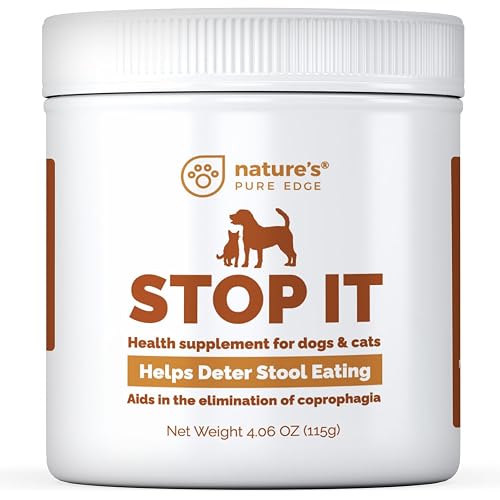
Commercial stool-deterrent products
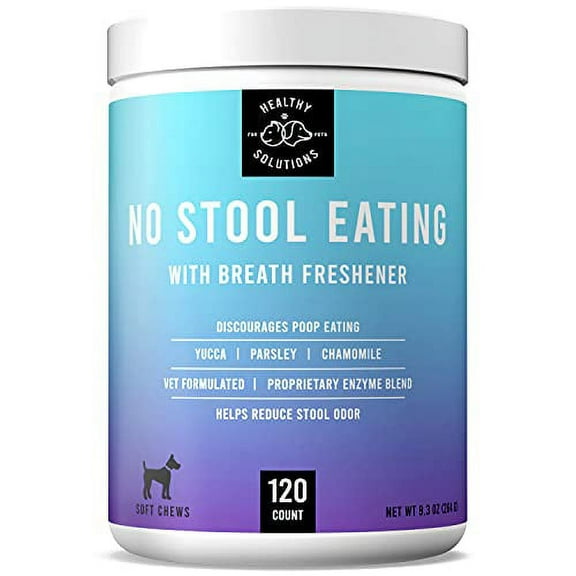
Some products claim to make stool taste bad. Results vary, and product ingredients differ. A product may not work if the dog eats stool from another animal or from a different dog in the home.
Before using one, check the label and ask your veterinarian. Do not use a product made for humans, livestock, or pest control.
The safest “home remedy” remains management plus reward-based training.
Home Remedies and Substances to Avoid
Do not add harmful substances to food or stool. Avoid:
- Hot sauce or cayenne pepper
- Bleach, ammonia, or cleaning chemicals
- Soap or dish detergent
- Large amounts of salt
- Raw meat additives
- Meat tenderizer
- Garlic or onion
- Human medicines
- Unapproved vitamins or supplements
- Essential oils
- Anything meant to cause pain, burning, vomiting, or diarrhea
These methods can injure the mouth, stomach, or intestines. They may also make your dog fearful of you or cause the dog to hide when defecating.
Do not punish your dog after the fact. Dogs usually do not connect a delayed punishment with the earlier act. Punishment can also encourage secretive stool eating.
If your dog swallowed a cleaning product, medication, toxic food, or unknown substance, contact your veterinarian or the ASPCA Animal Poison Control Center at 888-426-4435 in the United States. A consultation fee may apply.
When to Call a Veterinarian
Arrange a veterinary exam when the behavior is new, persistent, intense, or paired with other symptoms. Your veterinarian may review the diet, check the mouth and body, test a stool sample, and decide whether blood tests or other checks are needed.
Bring useful details:
- When the behavior began
- Whether your dog eats its own stool or another animal’s stool
- How often it happens
- What the stool looks like
- The dog’s food and treat list
- Recent weight changes
- Vomiting, diarrhea, thirst, or appetite changes
- Any medicines or supplements
- A short video, if safe to record
Ask about parasite testing if your dog eats stool from unknown animals. The risk depends on the animal, the environment, and local disease patterns. Good handwashing is wise, especially in homes with children, older adults, pregnant people, or anyone with a weak immune system.
Call sooner for urgent signs
Seek prompt veterinary care for repeated vomiting, severe diarrhea, blood in stool, weakness, collapse, belly pain, choking, or suspected poisoning. Do not wait for a training plan when illness or poisoning may be involved.
A Simple 14-Day Plan
Use the same steps each day. Consistency matters more than a complicated trick.
Days 1–3: Stop practice
- Supervise every bathroom trip.
- Use a leash outdoors.
- Pick up stool immediately.
- Block access to litter boxes and indoor accidents.
- Give a treat after your dog comes away.
Days 4–7: Build the replacement behavior
- Practice “leave it” for three to five minutes.
- Reward eye contact and turning toward you.
- Add a short sniff walk or food puzzle.
- Keep high-value treats near the exit.
Days 8–14: Add mild challenges
- Practice in different clean areas.
- Work near distractions but keep stool out of reach.
- Reward your dog for checking in with you.
- Continue fast cleanup.
- Record whether attempts are becoming less frequent.
Signs the plan is working
Look for:
- Your dog turns away from stool more often.
- Your dog responds to “leave it” quickly.
- You see fewer attempts when supervised.
- Your dog seeks you after defecating.
- Accidents and access points are easier to manage.
A setback does not mean the plan failed. Return to easier practice, improve supervision, and check for medical or stress-related causes if progress stops.

Common Mistakes That Slow Progress
The most common mistake is allowing occasional success. If a dog eats stool once in a while, the behavior can remain strong even after many good days.
Other mistakes include:
- Calling the dog repeatedly instead of guiding it away
- Using low-value treats outdoors
- Chasing the dog
- Punishing after the event
- Letting the dog roam alone after defecating
- Changing food too quickly
- Adding several supplements at once
- Ignoring diarrhea, weight loss, or a sudden appetite change
- Expecting pineapple or another food to solve the problem
Use one clear plan for at least two weeks. If the behavior does not improve with strict access control and training, contact your veterinarian and consider a qualified behavior professional.
Key Takeaways
- Pick up stool as soon as your dog finishes.
- Supervise outdoor bathroom trips.
- Teach “leave it” with rewards.
- Do not chase, yell, or punish.
- Use a complete and balanced diet.
- Add enrichment and regular exercise.
- Treat pineapple, pumpkin, yogurt, and similar remedies as unproven.
- Never use bleach, hot sauce, chemicals, or human medicine.
- See a veterinarian for sudden behavior, illness signs, or persistent coprophagia.
FAQs
Why does my dog eat poop but seem healthy?
Some healthy dogs eat poop because of habit, access, boredom, stress, or the smell and texture of stool. Still, a new or worsening habit can signal a health problem. Schedule a veterinary check if the behavior persists or comes with weight, appetite, stool, or energy changes.
Does pineapple stop dogs from eating poop?
Pineapple does not reliably stop dogs from eating poop. Small amounts of plain pineapple may be safe for many healthy dogs, but it contains sugar and may cause stomach upset. Access control and reward-based training are more dependable.
Is pumpkin a good home remedy for coprophagia?
Plain pumpkin may provide fiber, but it is not a proven treatment for poop eating. Too much can cause digestive upset. Ask your veterinarian before adding it if your dog has a medical condition or ongoing diarrhea.
Can a dog get sick from eating poop?
Yes. Risk depends on the source of the stool and what it contains. A dog may be exposed to parasites, bacteria, viruses, medication residues, or toxins. Contact a veterinarian if your dog becomes ill or eats stool from an unknown or wild animal.
Should I make my dog vomit after it eats poop?
No. Do not make your dog vomit unless a veterinarian or poison specialist specifically tells you to do so. Ordinary stool usually does not call for induced vomiting, and making a dog vomit can create new risks.
How long does it take to stop the behavior?
Some dogs improve within days when access is blocked every time. Others need several weeks of consistent training. If there is no clear improvement after two to four weeks, or if the behavior is severe, seek veterinary and behavior support.
Conclusion
The safest way to stop a dog from eating poop is to prevent access, clean up quickly, teach “leave it,” and reward the dog for coming away. Food additives are not reliable cures, and harsh remedies can cause harm.
Start with close supervision today. If the habit is sudden, severe, or linked with digestive or appetite changes, book a veterinary exam before relying on home training alone.