
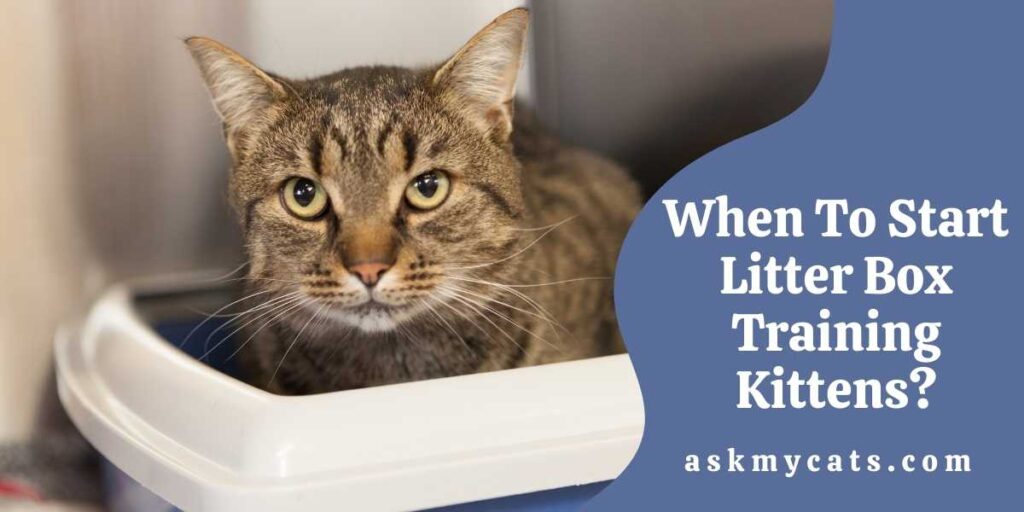
Most kittens start using a litter box at about 3 to 4 weeks of age. By 4 weeks, many healthy kittens can walk to a box, dig, and eliminate without help. Kittens raised by their mother often learn faster because they watch her and follow her habits.
Very young kittens, especially those under 3 weeks old, usually cannot urinate or pass stool on their own. Their mother stimulates them by licking the area under the tail. Orphaned newborns need gentle stimulation from their caregiver until they can eliminate independently.
For families in the United States, the key point is simple: place a low-sided litter box near kittens when they begin walking steadily, then guide them to it after meals and naps.

What Age Do Kittens Use a Litter Box?
Kittens usually begin using a litter box between 3 and 4 weeks old, but the exact timing varies. Development, health, access to a box, and whether the mother cat is present can all affect progress.
| Kitten age | Typical elimination ability | What caregivers should do |
|---|---|---|
| Birth to 2 weeks | Usually needs stimulation to urinate and defecate | Use approved bottle-feeding and stimulation methods if the mother is absent |
| About 3 weeks | May begin eliminating without help | Offer a shallow, easy-to-enter litter box |
| 4 to 5 weeks | Often uses a box with regular success | Keep the box close and guide the kitten after sleep and meals |
| 6 to 8 weeks | Usually has better control and coordination | Provide clean boxes in safe, easy-to-reach areas |
These are general stages, not strict deadlines. A kitten born early, sick, weak, or separated from its mother may need more time.
The American Society for the Prevention of Cruelty to Animals (ASPCA) explains that kittens often begin litter training at around 4 weeks. The Humane Society of the United States also recommends giving young cats easy access to clean litter boxes during this learning stage.
Why kittens begin using the box at this age
Litter box use depends on more than instinct. A kitten must be able to:
- Walk steadily.
- Find the box.
- Climb over the edge.
- Recognize the urge to eliminate.
- Scratch or dig.
- Squat and maintain balance.
Before these skills develop, placing a kitten in a box may not solve the problem. The kitten may simply be too young to control its bladder and bowel movements.

How to Teach a Kitten to Use the Litter Box
Most kittens need guidance, not formal training. A safe setup and a predictable routine usually do more than punishment or force.
1. Choose a low-sided box
Use a box with sides low enough for a small kitten to enter without climbing. A shallow plastic tray, kitten litter pan, or clean disposable baking pan may work during the early stage.
The box should be:
- Stable and wide enough for the kitten to turn around.
- Easy to reach.
- Free from sharp edges.
- Separate from food and water.
- Placed away from loud appliances and heavy foot traffic.
Do not use a tall box that traps or frightens a young kitten. You can switch to a larger box as the kitten grows.
2. Add a safe litter
Use a small amount of unscented litter. Strong fragrances can bother a kitten’s sensitive nose and may discourage box use.
For kittens that chew or eat litter, many veterinarians and animal-care groups recommend starting with non-clumping litter. Clumping litter can form a mass if swallowed. Ask a veterinarian about the best type if the kitten repeatedly eats litter or has a health issue.
Avoid:
- Scented litter with a strong perfume.
- Dusty products that irritate the nose.
- Non-litter materials that contain chemicals.
- Litter contaminated with feces from unknown animals.
3. Place the kitten in the box at useful times
Gently set the kitten in the litter box:
- After waking.
- After eating.
- After active play.
- When the kitten sniffs, circles, crouches, or scratches at the floor.
- When the kitten begins to squat.
Let the kitten explore. You may gently move one front paw through the litter once to show the texture, but do not force the paw or hold the kitten in the box.
4. Reward calm success
When the kitten uses the box, keep your response quiet and positive. Gentle praise can help. Food treats may be suitable for older kittens, but they are not needed for very young kittens and should not replace proper nutrition.
Never yell, hit, rub a kitten’s nose in waste, or push its face toward an accident. Punishment can make the kitten fear both you and the litter box.
5. Clean accidents thoroughly
Use an enzymatic pet-odor cleaner on areas where the kitten has had an accident. Ordinary soap may remove the visible stain but leave odor signals that draw the kitten back.
Keep the kitten in a smaller, safe area during early training. Too much space can make it hard for a young kitten to find the box in time.

How Many Litter Boxes Does a Kitten Need?
A kitten should have at least one clean litter box nearby. In a larger home, place a box on each level or in more than one easy-to-reach area.
For multiple cats, a common guideline is:
Number of cats plus one litter box
For example, two cats may do best with three boxes. This is a guideline, not a rigid rule. The most important factors are access, cleanliness, location, and whether each cat feels safe using the box.
Keep boxes away from:
- Washing machines and dryers.
- Loud heating or cooling equipment.
- Busy doorways.
- Food and water bowls.
- Areas where dogs or children may corner the kitten.
A kitten may avoid a box if another animal guards the path. Give the kitten a quiet escape route and a box it can reach without crossing an unsafe area.
How often should you clean a kitten’s litter box?
Remove feces and urine-soaked litter at least once a day. For several kittens sharing one box, cleaning may need to happen more often.
Wash the box with mild, unscented soap and water when it becomes dirty. Avoid bleach, ammonia, and strong chemical smells unless the product is used exactly as directed and fully rinsed. Ammonia-like odors can resemble urine and may encourage repeat accidents.

Why Is My Kitten Not Using the Litter Box?
A kitten may avoid the litter box because it is too young, cannot reach the box, dislikes the litter, feels stressed, or has a medical problem. Check the simplest causes first.
The kitten is younger than 3 weeks
A newborn kitten may not be able to eliminate without stimulation. If the mother is absent, ask a veterinarian or licensed animal-care professional to show you the correct method.
Do not delay care if a young kitten has not urinated, has a swollen belly, cries during elimination, or seems weak.
The box is too hard to enter
High sides can stop a small kitten from reaching the litter. Replace the box with a shallow tray and keep it close to the sleeping area.
The box is dirty or poorly placed
Cats often avoid dirty boxes. A box beside a loud machine, in a cold garage, or near a threatening dog may also fail even when the litter itself is acceptable.
The kitten dislikes the litter
A sudden change in litter texture or smell can cause refusal. If possible, use the same unscented litter the kitten already knows. Make changes slowly by mixing a small amount of the new litter with the old type.
The kitten has too much freedom
A young kitten may not remember where the box is after wandering into another room. Use a kitten-safe room or pen with food, water, bedding, toys, and a litter box placed well away from the feeding area.
The kitten has a health problem
Urinary or digestive illness can cause accidents. Watch for:
- Straining to urinate or defecate.
- Crying while using the box.
- Frequent trips with little urine.
- Blood in urine or stool.
- Diarrhea.
- Constipation.
- Vomiting.
- A swollen or painful belly.
- Lethargy or weakness.
- Loss of appetite.
- Repeated accidents after previously successful use.
A male kitten that strains and produces little or no urine needs urgent veterinary care. A blocked urinary tract can become life-threatening quickly.

What Should You Do After a Litter Box Accident?
Clean the area, check the setup, and watch the kitten’s next attempts. One accident does not mean the kitten is untrained.
Use this order:
- Move the kitten to a small, safe area with a nearby low-sided box.
- Clean the accident with an enzymatic cleaner.
- Place the kitten in the box after meals, naps, and play.
- Check that the box is clean and easy to enter.
- Observe urine, stool, appetite, energy, and behavior.
- Contact a veterinarian if accidents continue or any illness signs appear.
Do not punish the kitten. Accidents are usually a sign that the kitten needs a better setup, more time, or medical attention.
If the kitten consistently urinates beside the box, place a second box over the preferred spot. Once the kitten uses it regularly, move the box a few inches each day toward the location you prefer.

When Should You Call a Veterinarian?
Call a veterinarian promptly if a kitten cannot urinate, strains repeatedly, cries during elimination, or appears weak. Seek urgent care for little or no urine, severe lethargy, repeated vomiting, breathing trouble, or a painful swollen abdomen.
For less urgent concerns, arrange a veterinary visit if:
- A kitten older than about 4 weeks never shows interest in the box.
- Litter box problems continue despite a clean, accessible setup.
- Diarrhea or constipation lasts more than a short period.
- The kitten loses weight or stops eating.
- The kitten has blood in its urine or stool.
- The kitten repeatedly eats litter.
- The kitten suddenly stops using the box after doing well.
A veterinarian can check for dehydration, parasites, infection, constipation, urinary disease, or other problems that home training cannot fix.

Common Mistakes When Litter Training Kittens
Avoid these mistakes because they can slow learning or hide a health problem:
- Expecting a newborn kitten to use a box independently.
- Using a box with high sides.
- Placing the box far from the kitten.
- Using heavily scented litter.
- Leaving waste in the box for long periods.
- Giving a young kitten access to the whole house too soon.
- Punishing accidents.
- Changing litter, food, and location at the same time.
- Assuming every accident is a behavior problem.
- Waiting too long when the kitten strains or cannot urinate.
The best approach is calm and consistent. Make the correct choice easy, keep the box clean, and treat sudden changes as possible health signals.

Frequently Asked Questions
Do kittens instinctively know how to use a litter box?
Kittens have a natural urge to bury waste, but they still need physical maturity and access to a suitable box. Many learn by watching their mother, while orphaned kittens may need more guidance.
Can a 4-week-old kitten use a litter box?
Yes. Many 4-week-old kittens can use a low-sided box, especially after meals and naps. Some will need reminders or help finding it.
Do mother cats teach kittens to use the litter box?
Mother cats help kittens learn by providing stimulation when they are very young and modeling normal elimination habits later. However, the kitten’s physical development is also essential.
Should you put a kitten’s poop in the litter box?
If an accident occurs, placing a small amount of the waste in the box can help provide a familiar scent. Clean the accident area well afterward. Do not leave a dirty box as a training method.
How long does litter training take?
Many healthy kittens learn within days, but some take several weeks. Age, health, prior experience, litter type, stress, and box location can all affect the timeline.
Can kittens use clumping litter?
Some kittens can use it without problems, but kittens that chew or swallow litter may face a risk if clumping material is ingested. Non-clumping, unscented litter is a cautious starting choice for very young kittens. Ask your veterinarian if you are unsure.
Key Takeaways
- Kittens commonly start using a litter box at 3 to 4 weeks old.
- Kittens younger than about 3 weeks may need stimulation to urinate and defecate.
- Use a low-sided box with unscented litter and place it close to the kitten.
- Guide the kitten to the box after sleep, meals, and play.
- Never punish accidents.
- Straining, little or no urine, blood, weakness, or pain requires veterinary attention.
Conclusion
Most kittens begin using a litter box at around 3 to 4 weeks, when they can walk, control elimination, and dig. A shallow box, clean unscented litter, and a quiet location make learning easier.
Start by offering the box near the kitten’s sleeping area, guide the kitten after meals and naps, and limit access to large areas until use becomes reliable. If the kitten strains, cannot urinate, seems ill, or continues to have accidents despite a good setup, contact a veterinarian.